Nepal–Tibet glacial flood exposes rising climate risks as record heat and wildfires intensify

A deadly glacial-collapse flood on the Nepal–Tibet border, record July heat, unprecedented European ocean temperatures, wildfires in Algeria and Canada, drought-hit farming and a still-rising power-sector emissions outlook show how climate risks are now cascading across disaster response, food systems, public health and energy policy.
Nepal–Tibet glacial collapse becomes the day’s deadliest climate-linked disaster
A catastrophic flash flood on the Nepal–Tibet border is today’s largest climate-related emergency. AP reported 165 deaths and 826 missing in Nepal, while Chinese state media reported 558 missing in Tibet, though authorities were still clarifying whether some counts overlapped. The Guardian, citing the USGS, said a major ice-and-rock collapse near Langtang National Park triggered debris flows through the Lhende Khola, Bhote Koshi and Trishuli valleys, destroying homes, roads, bridges and border infrastructure. No rapid attribution study has proven that climate change caused this single event, but ICIMOD’s 2026 assessment found Hindu Kush Himalaya glacier ice-loss rates have doubled since 2000, with glacier area down about 12% and estimated ice reserves down about 9% from 1990 to 2020. Warming is making glacier and high-mountain slope hazards harder to manage with rainfall warnings alone.
Read the full story
Record July heat and sea temperatures meet a strengthening El Niño
WMO’s August update says July 2026 tied July 2024 as the warmest July in NOAA’s global record, while Copernicus estimated the month at 1.47°C above the 1850–1900 pre-industrial baseline. Global sea-surface temperatures set a July record, North America, Africa and Asia each had their warmest July, and western Europe recorded its hottest June–July period. WMO’s seasonal outlook adds that El Niño is expected to intensify through August–October, with seasonal sea-surface-temperature anomalies in key regions projected to exceed 2.9°C and a positive Indian Ocean Dipole likely to develop. These are probabilistic drivers, not guarantees for every region, but they raise the background risk of heat, drought, wildfire and heavy rainfall on an already warmer planet.
Read the full storyEurope’s marine heatwave turns ocean warming into ecological and coastal risk
World Weather Attribution’s August 19 rapid analysis found that human-caused warming was the dominant driver of unprecedented sea-surface temperatures around Europe. Parts of the Mediterranean were up to 6°C above normal in June, and the warmest 14-day events in the Mediterranean would have been virtually impossible in a pre-industrial climate. The study estimated warming contributions of about 1.2°C in the Celtic region, 1.5°C in the Bay of Biscay and Iberian region, 3.1°C in the western Mediterranean and 2.6°C in the eastern Mediterranean. The consequences extend beyond marine ecosystems: corals, sponges and macroalgae face mass mortality, species ranges and fisheries can shift, warmer seas worsen coastal nighttime heat stress, and added moisture can feed later heavy-rainfall events.
Read the full story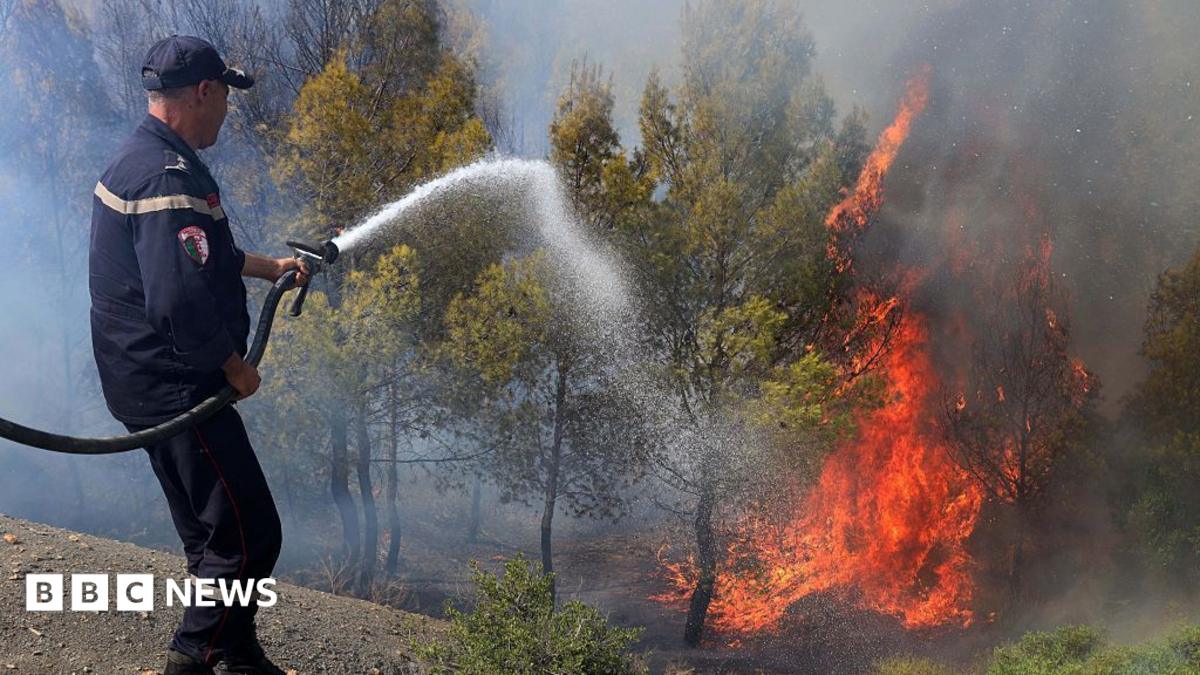
Wildfire pressure spreads from Canada to North Africa
BBC reported that wildfires across northern Algeria killed at least 12 people and injured 54, including six in intensive care, as the region sweltered through a severe heatwave. Firefighters were battling dozens of blazes across provinces including Jijel, Bejaia and Tizi Ouzou. The same heat–dryness–wind mechanism underlies Canada’s severe fire season. A World Weather Attribution analysis found more than 3 million hectares had burned in Canada by publication, with about 94% of the burned area accumulating in five weeks from late June to late July. Combining models and observations, researchers estimated climate change made the most intense seven-day fire-weather event about five times more likely in the Northwest Territories and about twice as likely in Ontario. The 24-month drought signal was uncertain, but hot, dry and windy fire weather is increasingly stretching evacuation, smoke-health and firefighting systems.
Read the full story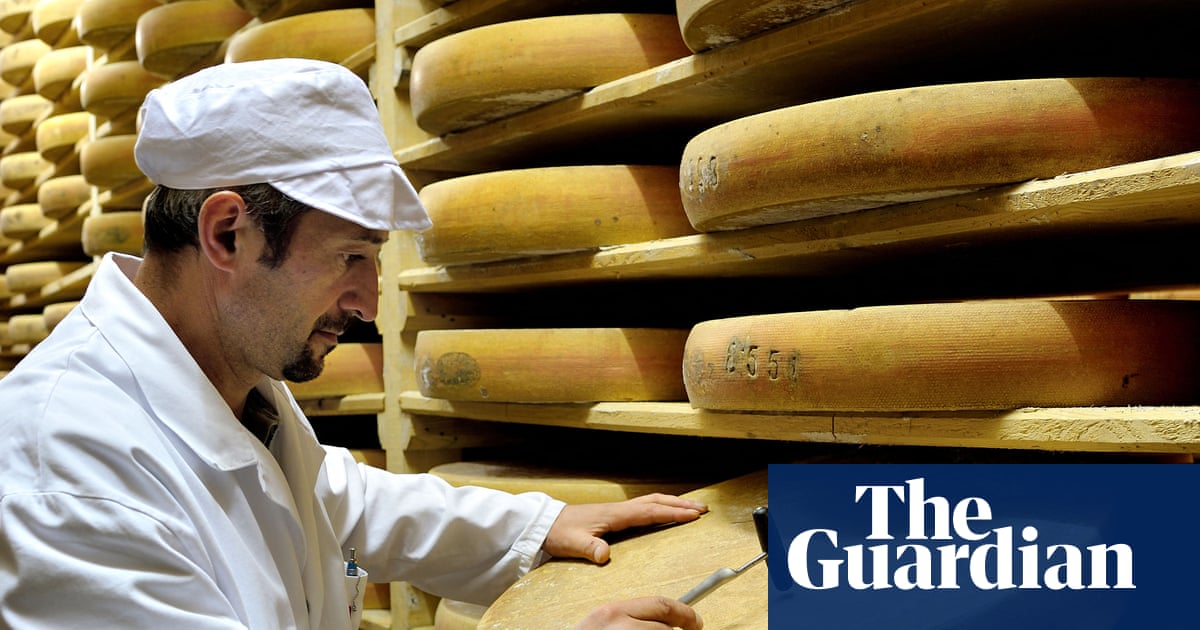
European drought is rewriting farming rules and harvest outcomes
The Guardian’s August 27 farm coverage shows how heat and water stress are moving from weather statistics into production rules. France temporarily relaxed protected-origin rules for Comté, Beaufort and Abondance cheeses because drought left pastures with too little grass; July drought affected 95% of mainland France, and permanent-grassland growth on August 10 was one-third below the 1989–2018 average. French potato farmers warned of a 23% crop decline after repeated heatwaves and water shortages. In the UK, irrigation and water-storage investments helped berry growers lift output 6% from last year, but wheat yields were 13% below the five-year average and spring barley was expected to be about 25% below average. Adaptation is increasingly tied to capital, water access and crop type.
Read the full story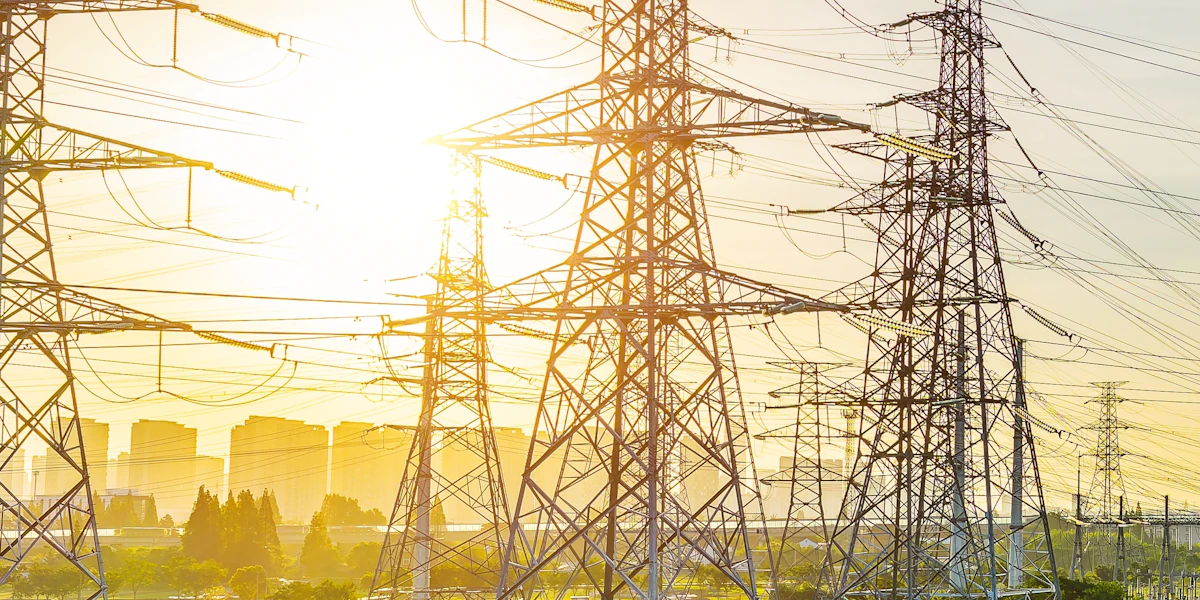
Renewables are overtaking coal, but power-sector emissions have not yet turned down
IEA’s Electricity Mid-Year Update 2026 says renewable generation is set to overtake coal-fired output this year, growing by more than 8%, while solar PV adds around 600 TWh and becomes the world’s second-largest renewable electricity source after hydropower. Yet the report also projects global electricity demand to rise 3.6% in 2026 and 3.8% in 2027, driven by industry, appliances, electric vehicles, air conditioning, heat pumps and data centres. Higher LNG prices after the Strait of Hormuz crisis have pushed some Asian and European countries from gas back toward coal, so power-sector CO₂ emissions are forecast to rise by 1% in 2026 before plateauing in 2027. The transition is crossing a milestone, but grid expansion, storage, flexibility and coal retirement still determine whether emissions actually fall.
Read the full storySources
 T
TPulled the most relevant stories from the last 24h — headlines, key points and original sources are all in.
 J
JGot it. Wrote it up in four languages across six sections, leading with why this matters right now.
 W
WFact-checked. Asked Jasper to tighten two figures and drop the AI-speak; the rest holds — ship it.
Explore the world's news with MokiNewsExplore the world's news with MokiNewsExplore the world's news with MokiNewsExplore the world's news with MokiNewsExplore the world's news with MokiNewsExplore the world's news with MokiNewsExplore the world's news with MokiNewsExplore the world's news with MokiNewsExplore the world's news with MokiNewsExplore the world's news with MokiNewsExplore the world's news with MokiNewsExplore the world's news with MokiNewsExplore the world's news with MokiNewsExplore the world's news with MokiNewsExplore the world's news with MokiNewsExplore the world's news with MokiNewsExplore the world's news with MokiNewsExplore the world's news with MokiNewsExplore the world's news with MokiNewsExplore the world's news with MokiNewsExplore the world's news with MokiNewsExplore the world's news with MokiNewsExplore the world's news with MokiNewsExplore the world's news with MokiNewsExplore the world's news with MokiNewsExplore the world's news with MokiNewsExplore the world's news with MokiNewsExplore the world's news with MokiNewsExplore the world's news with MokiNewsExplore the world's news with MokiNews