Oil stays near $95 as Hormuz risks, inventory draws and power-market strains spread

Oil markets are closed for Sunday, but the latest reports show the same pressure points carrying into the new week: Brent near $95, constrained Hormuz traffic, depleted inventories, expensive detours and LNG-driven power-price shocks.

Oil extends a second weekly gain as Iran and Hormuz risks dominate pricing
Major oil futures markets were closed on Sunday, so the latest comparable prices are Friday's settlements. Reuters reported Brent at $94.39 a barrel, up 0.65%, and WTI at $87.06, up 0.26%; for the week, Brent rose 6.39% and WTI gained 5.66%, after both touched their highest levels since July 24. The driver is not a simple demand rebound but a geopolitical premium: Washington has threatened tougher financial sanctions on Iran's trading partners, Iranian exports are already constrained by blockade conditions, and Strait of Hormuz traffic remains far below normal. Kpler ship-tracking data cited in the report showed only seven commodity vessels transiting Hormuz on Thursday, about half the previous day's count.
Read the full story
IEA cuts demand and warns inventories are being depleted
The IEA's August Oil Market Report cut its 2026 global oil-demand forecast to a decline of 1.6 million barrels per day as the Hormuz disruption and high fuel prices weigh on consumption. July supply recovered to 101.5 million bpd but remained 6.3 million bpd below a year earlier, with 8.3 million bpd of Gulf output still shut in. The tighter signal is in stocks and refined products: observed global oil inventories fell by 69 million barrels in July and were down about 410 million barrels since the war began. Refinery runs rose to 80.9 million bpd but were still nearly 5 million bpd below last year, while diesel, jet-fuel and gasoline cracks lifted Atlantic Basin refining margins to record highs.
Read the full story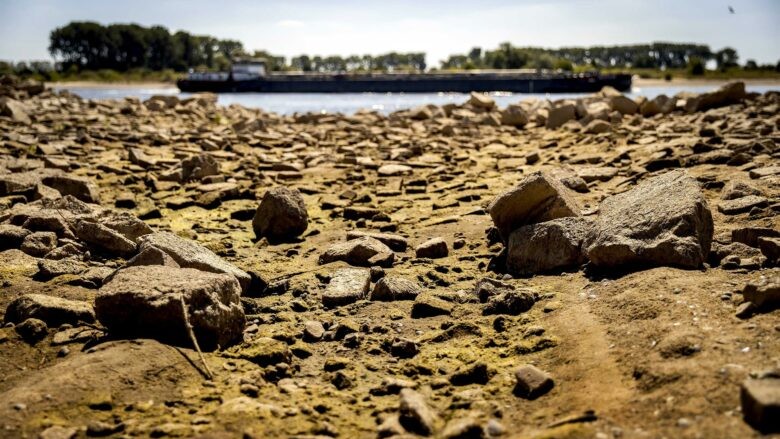
Rerouting around Hormuz pushes costs into other chokepoints and the Rhine
Oil logistics are spreading stress into other corridors. OilPrice reported that Hormuz flows of crude and liquids fell from 21.6 million bpd in the fourth quarter of 2025 to 4.9 million bpd in the second quarter of 2026, forcing barrels into Bab el-Mandeb, the Turkish Straits, Panama, Danish waters and Malacca. The alternatives are expensive: the Cape of Good Hope can add 10 to 14 days, while a Lombok diversion is estimated to cost roughly $472,000 per voyage. Europe's inland system is also strained. At Kaub, the Rhine recovered from below 10 cm in mid-August to about 45 cm, still below the roughly 77 cm needed for normal commercial traffic, and ARA-Karlsruhe barge rates rose from around €45/t in late June to about €215/t, raising costs for diesel, gasoline, heating oil and petrochemicals moving into southern Germany, Switzerland and eastern France.
Read the full story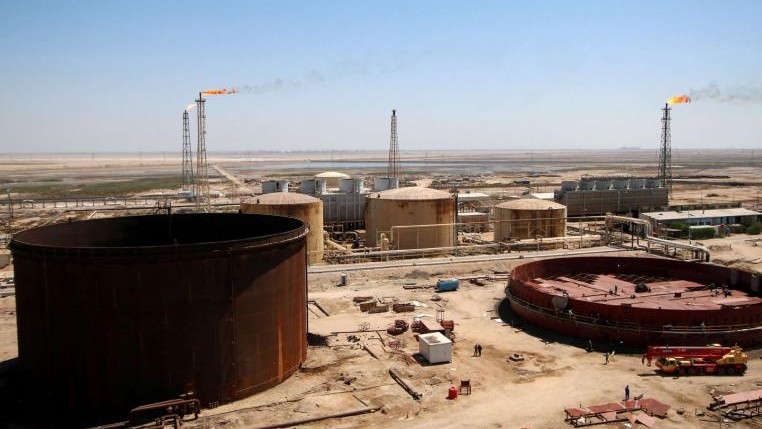
Producers want more barrels, but export infrastructure is the binding constraint
High prices give producers an incentive to add supply, but quotas and terminals limit what can reach buyers. OPEC said Saudi Arabia, Russia, Iraq, Kuwait, Kazakhstan, Algeria and Oman agreed to adjust production by 188,000 bpd from September and review conditions again on September 6, a small move relative to the current disruption. Iraq says it wants to raise output from roughly 4 million bpd before the Iran war to 8-10 million bpd within six years, but it needs a higher OPEC baseline and more export routes. The Iraq-Turkey pipeline is moving only about 170,000 bpd, while a Syria route to Baniyas could take four years and at least $15 billion. Venezuela shows a different bottleneck: tankers are waiting up to 30 days, and the Jose terminal, which handles about 70% of exports, is keeping effective exports near a 1.25 million bpd ceiling.
Read the full story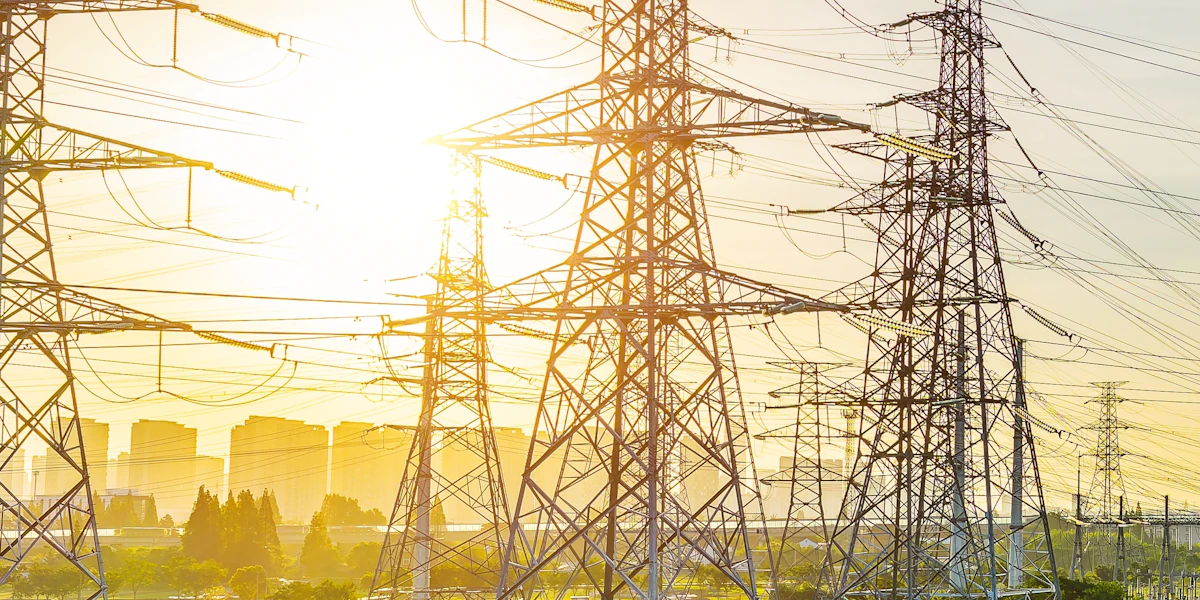
Gas and power markets absorb the shock as storage becomes a renewables bottleneck
The Hormuz shock also reaches gas and electricity. The IEA's Gas Market Report said LNG flows through Hormuz had accounted for almost 20% of global LNG supply; from March to June, Qatar and UAE LNG loadings fell by 35 bcm year-on-year. Non-Gulf production rose by about 27 bcm, offsetting roughly three quarters of the loss, but global LNG output still declined by 4%. The IEA Electricity Mid-Year Update forecasts global power demand growth of 3.6% in 2026 and says the LNG price shock pushed average Q2 spot wholesale power prices in the EU and Japan up by more than 30% year-on-year. India illustrates the parallel grid-flexibility problem: officials said about 42 GW of solar projects still lack offtakers, including 18 GW of solar-only projects without batteries, while the grid wasted around 8 billion kWh of solar power from April to June, about 11% of the period's solar generation.
Read the full storyExplore the world's news with MokiNewsExplore the world's news with MokiNewsExplore the world's news with MokiNewsExplore the world's news with MokiNewsExplore the world's news with MokiNewsExplore the world's news with MokiNewsExplore the world's news with MokiNewsExplore the world's news with MokiNewsExplore the world's news with MokiNewsExplore the world's news with MokiNewsExplore the world's news with MokiNewsExplore the world's news with MokiNewsExplore the world's news with MokiNewsExplore the world's news with MokiNewsExplore the world's news with MokiNewsExplore the world's news with MokiNewsExplore the world's news with MokiNewsExplore the world's news with MokiNewsExplore the world's news with MokiNewsExplore the world's news with MokiNewsExplore the world's news with MokiNewsExplore the world's news with MokiNewsExplore the world's news with MokiNewsExplore the world's news with MokiNewsExplore the world's news with MokiNewsExplore the world's news with MokiNewsExplore the world's news with MokiNewsExplore the world's news with MokiNewsExplore the world's news with MokiNewsExplore the world's news with MokiNews