Hormuz corridor talks, CIA’s Moscow visit and Taiwan pressure define a tense geopolitical week

The latest geopolitical flashpoints are linked by pressure below the threshold of open war: U.S.-Russia intelligence contacts amid Ukraine strikes, a possible temporary Hormuz shipping arrangement, China’s pressure around Taiwan’s remaining allies, suspected sabotage risks in Europe, and a tariff fight testing North American ties.
CIA’s Moscow visit keeps crisis channels open as Ukraine strikes continue
CIA Director John Ratcliffe held rare talks in Moscow with Russian intelligence counterparts, according to the Kremlin. Dmitry Peskov said Ratcliffe did not meet Vladimir Putin, though Putin was briefed, and described U.S.-Russia ties as being in a profound crisis. AP also reported that Washington told Kyiv about the delegation and asked Ukraine to suspend strikes on Moscow, St. Petersburg and some northern regions until it left, while strikes elsewhere continued. The visit does not signal a settlement, but it shows crisis-management channels remain active as Ukraine and Russia intensify long-range attacks and as Russia’s ties with Iran complicate U.S. security calculations in the Middle East.
Read the full storyIran-Oman Hormuz talks could reopen commerce but bar military traffic
Iran and Oman are negotiating a temporary arrangement for the Strait of Hormuz, which AP says remains largely shut nearly six months after the Iran war began. Iranian Deputy Foreign Minister Kazem Gharibabadi said commercial vessels entering the Persian Gulf would use Iranian waters, outbound traffic would partly use Iranian and Omani waters, and military vessels would be excluded. Qatar’s prime minister is expected in Tehran to discuss de-escalation and freedom of navigation. The talks may ease pressure on energy and shipping markets, but they also create a new dispute with Washington, which opposes parts of the emerging arrangement.
Read the full storyGaza ceasefire strains as Israel links reconstruction to Hamas disarmament
The Gaza ceasefire remains fragile. AP reported that Israeli strikes continued, including a strike on a tent for displaced people in southern Gaza that Gaza health officials said killed one person and wounded at least four; Israel said it had targeted a military operative. At the U.N. Security Council, Nickolay Mladenov, head of Trump’s Board of Peace, warned that collapse of the U.S.-led ceasefire effort would be a point of no return, while Israel’s deputy U.N. ambassador said Hamas’ disarmament must come before reconstruction. Netanyahu also said his government had legalized more than 104 settlements and established 160 farming outposts in the West Bank since 2022, keeping the Gaza track tied to wider Israeli-Palestinian tensions.
Read the full story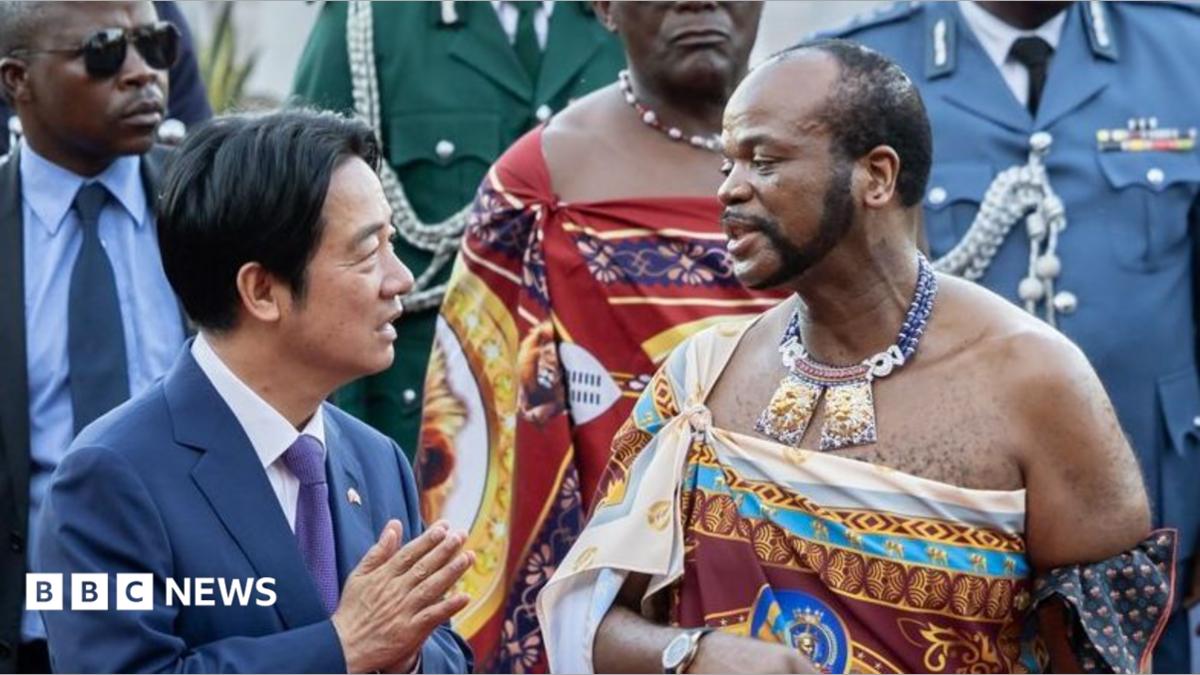
China’s Eswatini warning puts Taiwan’s last African ally under pressure
China’s Foreign Ministry told citizens to leave Eswatini, citing security risks from cyber fraud, gambling-linked crime and public-security concerns. BBC noted that Eswatini is Taiwan’s only formal diplomatic partner in Africa and one of Taipei’s 12 remaining allies worldwide. The advisory follows Taiwan’s April accusation that Beijing tried to derail President Lai Ching-te’s Eswatini trip by pressuring nearby countries over flight permits; Lai eventually visited in May. China presents the warning as a consular-security step, but in geopolitical terms it lands directly on Taiwan’s shrinking diplomatic space.
Read the full story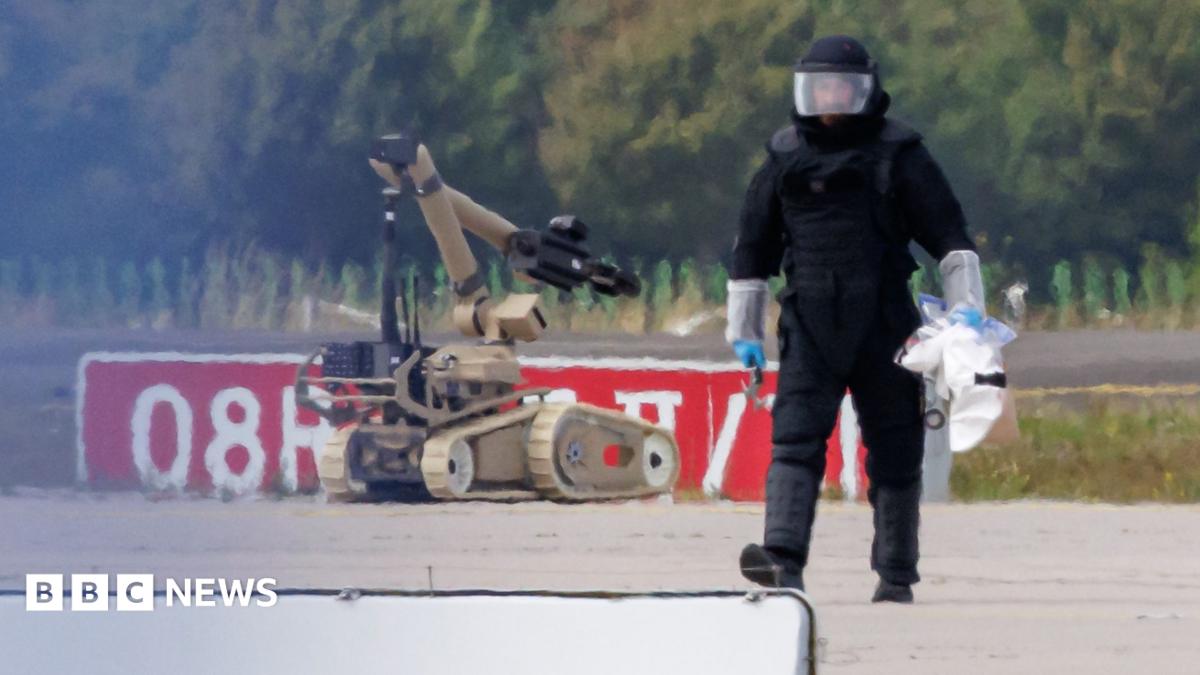
Leipzig drone-bomb probe highlights Europe’s hybrid-war problem
Germany is still investigating the explosive drone found at Leipzig/Halle Airport near Ukrainian Antonov cargo aircraft. AP reported in early August that the device was defused and that German officials described an explosives-laden drone at an airport as a new quality of threat. BBC later reported that there was no public proof directly linking the case to Russia, while noting earlier evidence from Russian-linked proxy plots involving drones, explosives and deliveries to Germany. The significance is the target pattern: a major cargo hub connected to Ukraine-related logistics, where deniable sabotage can intimidate without crossing an obvious NATO war threshold.
Read the full storyU.S.-Canada tariff escalation tests allied supply chains
The U.S.-Canada trade war escalated after Washington imposed new 50% tariffs on certain Canadian goods and Ottawa answered with retaliatory tariffs on about $20 billion of U.S. imports, including steel, dairy products, appliances and farm equipment. AP said the dispute threatens one of the world’s largest trading relationships and complicates efforts to renew the United States-Mexico-Canada Agreement. Canada sends 72% of its exports to the United States, while U.S. farms, border communities and Midwest refineries rely on Canadian potash, electricity and oil-sands crude. This is economic policy, but it also tests alliance cohesion and sovereignty politics inside North America.
Read the full story T
TPulled the most relevant stories from the last 24h — headlines, key points and original sources are all in.
 J
JGot it. Wrote it up in four languages across six sections, leading with why this matters right now.
 W
WFact-checked. Asked Jasper to tighten two figures and drop the AI-speak; the rest holds — ship it.
Explore the world's news with MokiNewsExplore the world's news with MokiNewsExplore the world's news with MokiNewsExplore the world's news with MokiNewsExplore the world's news with MokiNewsExplore the world's news with MokiNewsExplore the world's news with MokiNewsExplore the world's news with MokiNewsExplore the world's news with MokiNewsExplore the world's news with MokiNewsExplore the world's news with MokiNewsExplore the world's news with MokiNewsExplore the world's news with MokiNewsExplore the world's news with MokiNewsExplore the world's news with MokiNewsExplore the world's news with MokiNewsExplore the world's news with MokiNewsExplore the world's news with MokiNewsExplore the world's news with MokiNewsExplore the world's news with MokiNewsExplore the world's news with MokiNewsExplore the world's news with MokiNewsExplore the world's news with MokiNewsExplore the world's news with MokiNewsExplore the world's news with MokiNewsExplore the world's news with MokiNewsExplore the world's news with MokiNewsExplore the world's news with MokiNewsExplore the world's news with MokiNewsExplore the world's news with MokiNews