Ukraine strikes, Hormuz talks and Gaza ceasefire strains test US crisis management

Today’s geopolitical picture is defined by connected pressure points: Russia’s war is testing NATO crisis channels, Iran and Oman are negotiating a Hormuz shipping route while tankers remain at risk, Gaza’s ceasefire framework is strained, Taiwan is budgeting for long-term deterrence, and Nepal-Tibet floods have become a cross-border climate-security emergency.
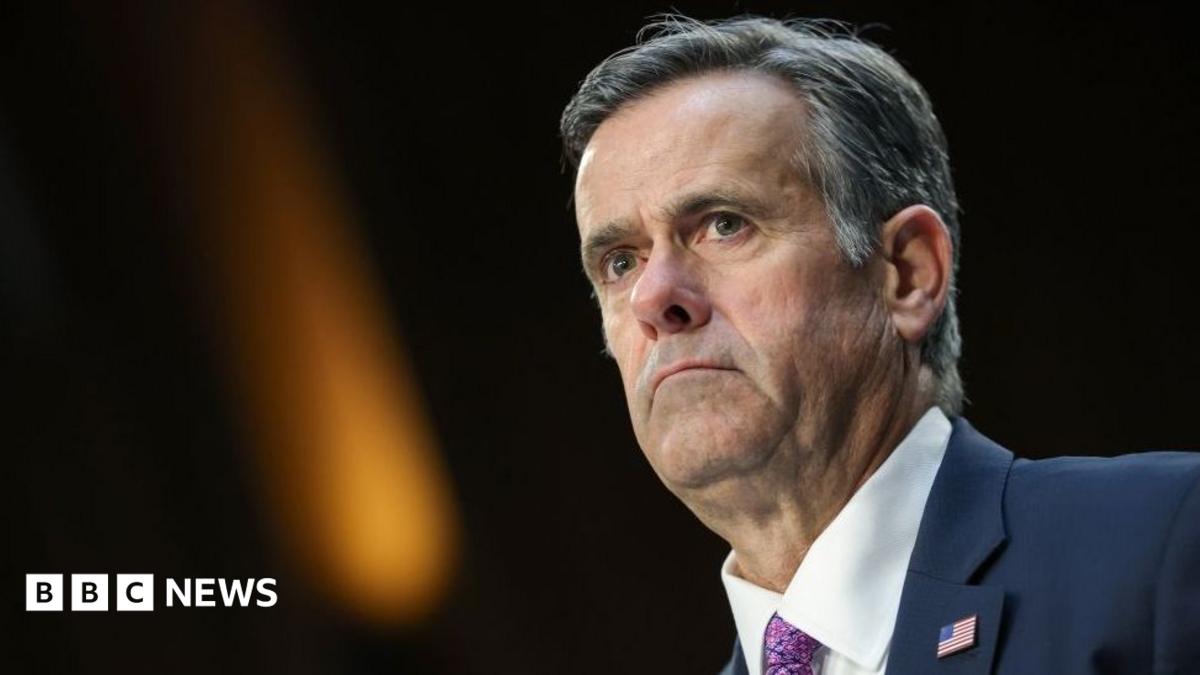
CIA mission to Moscow underscores NATO risk as Ukraine absorbs new strikes
CIA Director John Ratcliffe made an unannounced trip to Moscow and met Russian intelligence officials, with the Kremlin confirming the meeting but not a session with Vladimir Putin. BBC analysis said the visit appeared linked to warnings against escalation toward NATO members, especially as Russia also threatened British military targets over Ukrainian use of British-supplied missiles. AP reported that Russia struck nine Ukrainian cities overnight, killing two people and wounding at least 14, while Kyiv faces shortages of Patriot interceptors against ballistic missiles.
Read the full storyHormuz and Gaza keep Middle East diplomacy under pressure
Qatar’s prime minister traveled to Tehran as regional governments tried to reduce escalation in the U.S.-Iran conflict. AP reported talks on an Iran-Oman plan for safer passage through the Strait of Hormuz and mine clearance, while an oil tanker was reportedly hit by an unknown projectile between Oman and Iran. In Gaza, Nickolay Mladenov warned the U.N. Security Council that collapse of last October’s ceasefire would be a point of no return; BBC reported the core dispute remains whether Hamas disarms before or alongside Israeli withdrawal.
Read the full storyTaiwan’s record defense budget turns deterrence into a long budget fight
Taiwan’s cabinet proposed a 2027 defense budget of NT$1.12 trillion, about US$35 billion, the first time the total would exceed NT$1 trillion and more than 3% of projected GDP. AP reported the plan is roughly 18% above the 2026 proposal and must still pass an opposition-controlled legislature. The numbers matter because Beijing continues regular aircraft, naval and coast guard activity around Taiwan and has not renounced force.
Read the full storyNepal-Tibet floods turn Himalayan climate risk into a cross-border security issue
Rescue teams and military helicopters searched along the Nepal-China border after a glacier-collapse flood killed more than 390 people and left more than 1,400 missing, including foreign pilgrims and workers. AP reported 389 deaths and 910 missing in Nepal, with Tibet reporting three dead and 558 missing; BBC cited scientists and USGS analysis indicating a magnitude 5.2 glacier collapse rather than an earthquake, with water levels rising seven to nine meters within 30 minutes.
Read the full story T
TPulled the most relevant stories from the last 24h — headlines, key points and original sources are all in.
 J
JGot it. Wrote it up in four languages across six sections, leading with why this matters right now.
 W
WFact-checked. Asked Jasper to tighten two figures and drop the AI-speak; the rest holds — ship it.
Explore the world's news with MokiNewsExplore the world's news with MokiNewsExplore the world's news with MokiNewsExplore the world's news with MokiNewsExplore the world's news with MokiNewsExplore the world's news with MokiNewsExplore the world's news with MokiNewsExplore the world's news with MokiNewsExplore the world's news with MokiNewsExplore the world's news with MokiNewsExplore the world's news with MokiNewsExplore the world's news with MokiNewsExplore the world's news with MokiNewsExplore the world's news with MokiNewsExplore the world's news with MokiNewsExplore the world's news with MokiNewsExplore the world's news with MokiNewsExplore the world's news with MokiNewsExplore the world's news with MokiNewsExplore the world's news with MokiNewsExplore the world's news with MokiNewsExplore the world's news with MokiNewsExplore the world's news with MokiNewsExplore the world's news with MokiNewsExplore the world's news with MokiNewsExplore the world's news with MokiNewsExplore the world's news with MokiNewsExplore the world's news with MokiNewsExplore the world's news with MokiNewsExplore the world's news with MokiNews