Indigenous art, cultural diplomacy and city memory define the day in culture

Culture stories today converge on who gets represented and who cares for memory: Indigenous artists are reshaping institutions in Taiwan and Phoenix, a U.S. embassy artwork has become a political flashpoint, and museums, language projects and photography are reframing heritage as a living public responsibility.
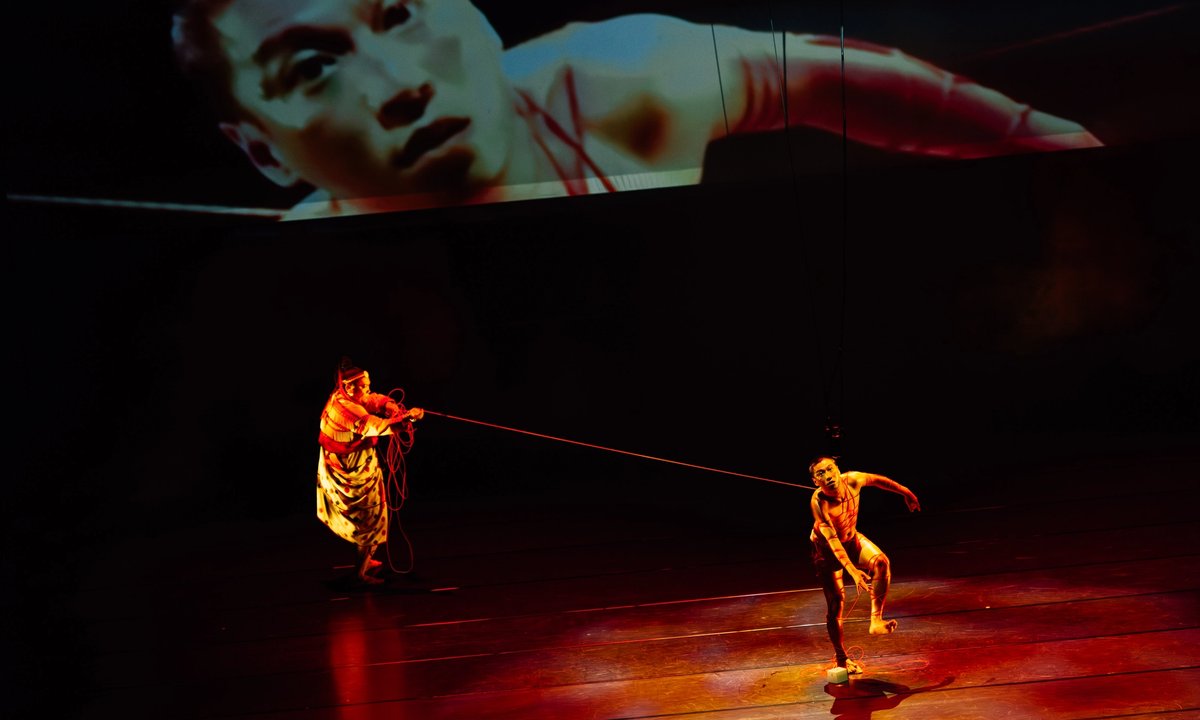
Taiwan’s Indigenous artists push contemporary art beyond inherited categories
A new generation of Indigenous artists in Taiwan is moving language, ritual, gender and belonging into performance spaces, museums and international biennials. The shift follows the revocation of Sakuliu Pavavaljung’s National Award for Arts after his sexual-assault conviction, a case described as a landmark #MeToo moment for Asian contemporary art. Taiwan’s Indigenous peoples make up about 2.5% of the population across 17 officially recognized nations, and institutional support has grown through the Kaohsiung Museum of Fine Arts’ Austronesian art program and the Pulima Art Award. Projects such as Shu Lea Cheang and Dondon Hounwn’s Hagay Dreaming and Tai Body Theatre’s Taishin Arts Award win show Indigenous art as a living negotiation of colonial history, migration, sexuality and belief rather than a fixed craft tradition.
Read the full story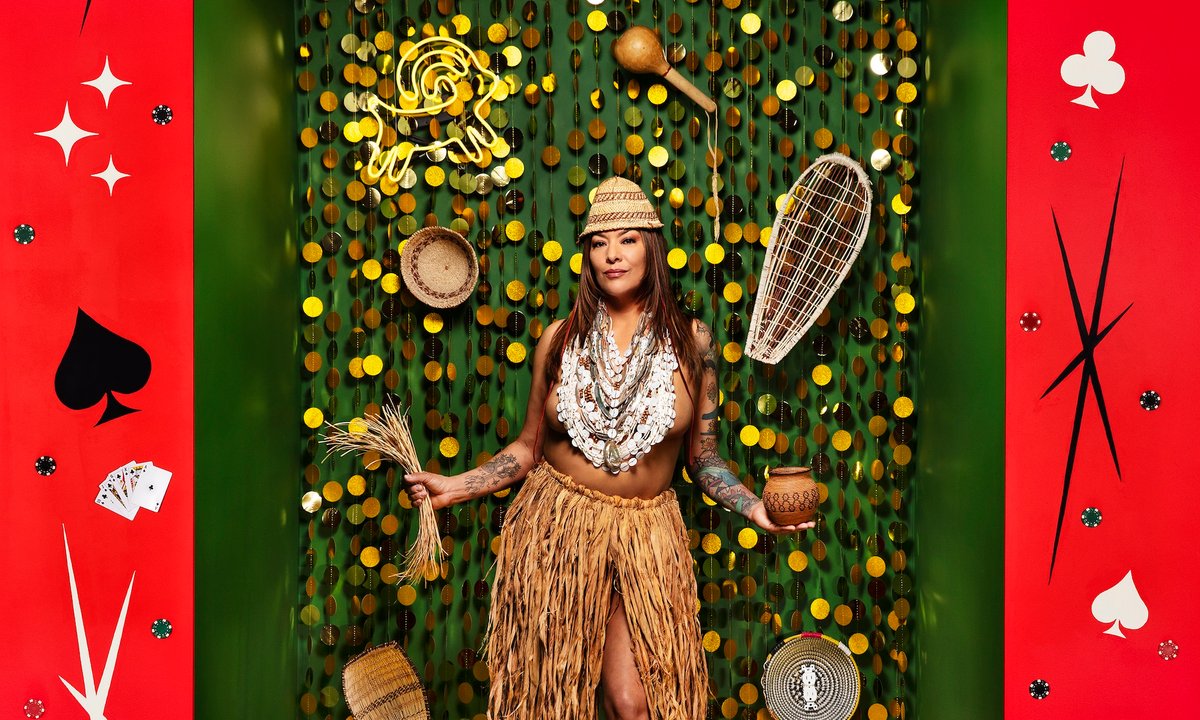
Phoenix opens a 185-work Native American art exhibition with stewardship questions attached
Phoenix Art Museum opens The Way We Came: A Century of Indigenous Art on August 26, anchored by 185 modern and contemporary Native American works donated by collector William P. Healey. The gift, the largest Native American art donation in the museum’s history, covers 99 artists and raises the museum’s Native holdings from about 25 works to more than 200. Yet the exhibition also exposes gaps: only 50 works are by artists from Tribes tied to Arizona, the Akimel O’odham homelands on which Phoenix stands appear unrepresented, and the museum has no permanent Native curator. The result is both a visibility gain and a test of whether museums can turn major gifts into long-term community stewardship.
Read the full story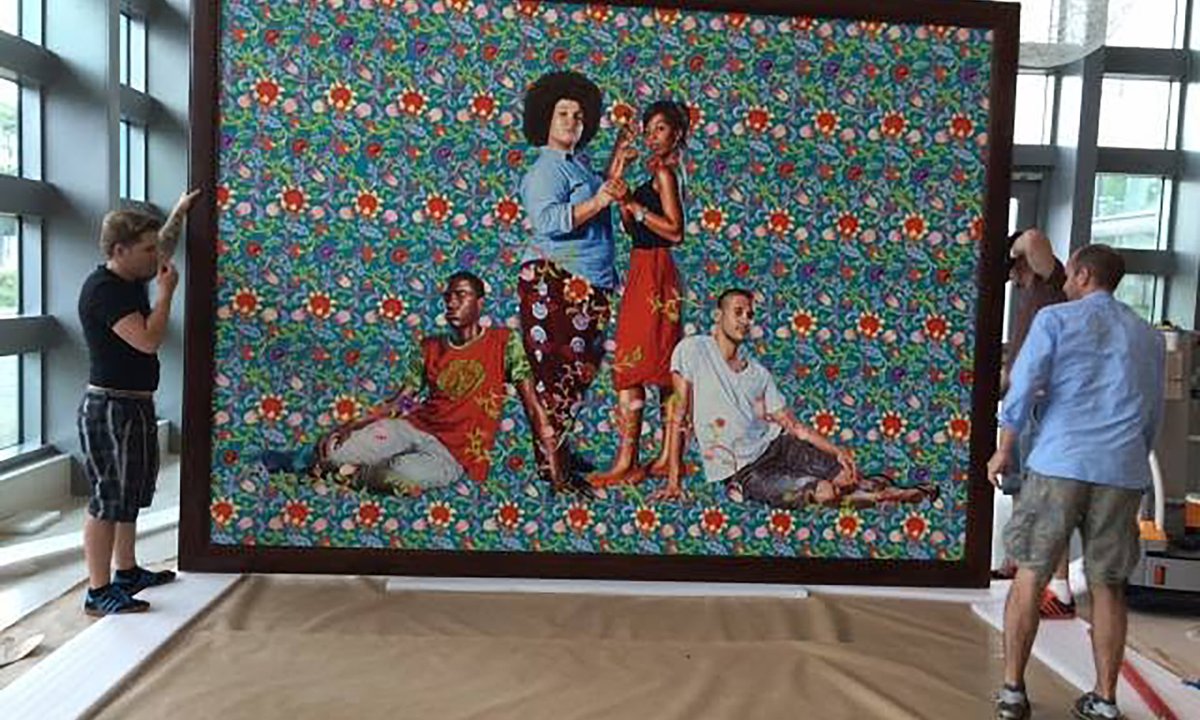
A Kehinde Wiley embassy painting turns cultural diplomacy into a political test
The U.S. State Department has removed Kehinde Wiley’s Young Artists After Siamesas 1960 from the American embassy in Santo Domingo and is exploring whether it can legally sell the taxpayer-funded commission. Ambassador Leah Campos described the work as tied to “globalist and woke ideologies,” while officials also cited misconduct allegations against Wiley, which he denies, and past comments about his work. The more than 12-foot-wide painting had been installed since 2015 under the Art in Embassies program, which dates to 1963. Its removal signals how quickly cultural diplomacy can become an ideological screening ground when public art is tied to state power.
Read the full storySarajevo’s Ars Aevi museum turns a wartime solidarity project into bricks and mortar
UNESCO says construction has officially begun on Sarajevo’s Ars Aevi Museum of Contemporary Art after more than three decades. Conceived in 1992 during the Bosnian war, Ars Aevi was built from donations by international artists and institutions supporting Sarajevo and Bosnia and Herzegovina. The project is implemented by UNESCO with European Union funding and backing from Italy, France, Spain and Bosnian authorities, and draws on an early design donated by Renzo Piano. Its importance lies in more than new cultural infrastructure: it turns a wartime act of solidarity into a permanent space for education, dialogue, reconciliation and regional cooperation.
Read the full storyHeritage education and Indigenous language show culture as living knowledge
UNESCO’s recent updates also show heritage moving beyond display cases. In Montenegro, Culture in Movement involved more than 220 students and 30 mentors from 14 elementary schools in nine municipalities, using museums, classrooms and public events to reinterpret identity, memory and local traditions. Another UNESCO item highlighted kaitiakitanga, a Māori word for guardianship of the natural world, after Babbel named it the world’s most beautiful word from a list of 223 words in 75 languages. Together, the stories frame heritage as lived knowledge: language, environmental ethics and young people’s participation are not supplements to culture but part of its survival.
Read the full story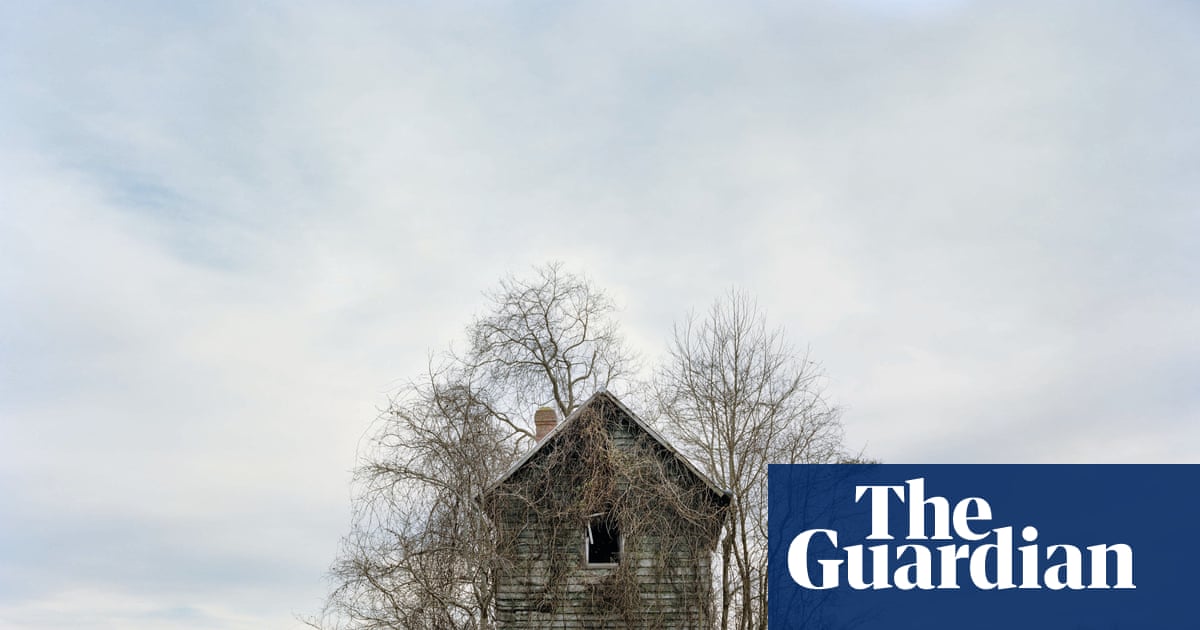
The Holdouts asks whose homes survive in the cultural record
The Guardian’s August 26 photo essay from Ben Marcin’s The Holdouts documents isolated row houses, abandoned rural homes and informal camps in Baltimore, Maryland, Delaware and Philadelphia. “Holdout” usually describes a property owner who refuses to sell to developers, but Marcin expands it into a meditation on resistance, disappearance and marginal life. Former occupants include Eastern Shore farming families, Black Americans who moved north during the Great Migration, and people experiencing homelessness who avoid city shelters. The work shows that cultural memory is not only kept in museums; it is also embedded in buildings that are demolished, bypassed, abandoned or quietly still occupied.
Read the full story T
TPulled the most relevant stories from the last 24h — headlines, key points and original sources are all in.
 J
JGot it. Wrote it up in four languages across six sections, leading with why this matters right now.
 W
WFact-checked. Asked Jasper to tighten two figures and drop the AI-speak; the rest holds — ship it.
Explore the world's news with MokiNewsExplore the world's news with MokiNewsExplore the world's news with MokiNewsExplore the world's news with MokiNewsExplore the world's news with MokiNewsExplore the world's news with MokiNewsExplore the world's news with MokiNewsExplore the world's news with MokiNewsExplore the world's news with MokiNewsExplore the world's news with MokiNewsExplore the world's news with MokiNewsExplore the world's news with MokiNewsExplore the world's news with MokiNewsExplore the world's news with MokiNewsExplore the world's news with MokiNewsExplore the world's news with MokiNewsExplore the world's news with MokiNewsExplore the world's news with MokiNewsExplore the world's news with MokiNewsExplore the world's news with MokiNewsExplore the world's news with MokiNewsExplore the world's news with MokiNewsExplore the world's news with MokiNewsExplore the world's news with MokiNewsExplore the world's news with MokiNewsExplore the world's news with MokiNewsExplore the world's news with MokiNewsExplore the world's news with MokiNewsExplore the world's news with MokiNewsExplore the world's news with MokiNews