Oil risk premium holds as Hormuz, sanctions and infrastructure bottlenecks tighten energy markets
Oil markets are being driven less by ordinary demand and more by geopolitical risk, shipping disruption and infrastructure limits. Brent held above $94 as Hormuz traffic stayed constrained, while Chinese refiners, Saudi exporters, Iraq, Venezuela, Europe and India all showed different forms of energy-system stress.
Brent stays above $94 as Hormuz risk dominates pricing
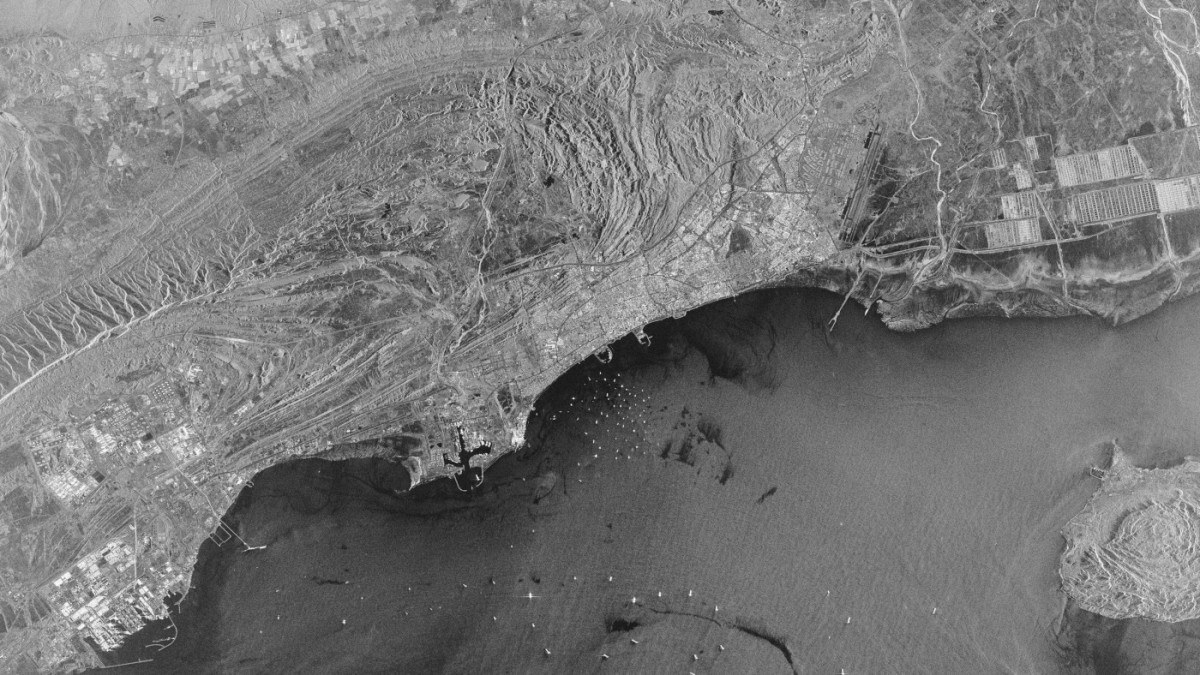
Brent settled at $94.39 a barrel on August 21, while WTI closed at $87.06. The main driver was persistent risk around the Strait of Hormuz and Washington's harder sanctions posture toward Iran. OilPrice said Hormuz transits remained in single digits through the week, Asian LNG was around $24 per MMBtu, and tanker costs were elevated, showing that the risk premium is spreading from crude into gas and freight.
Read the full story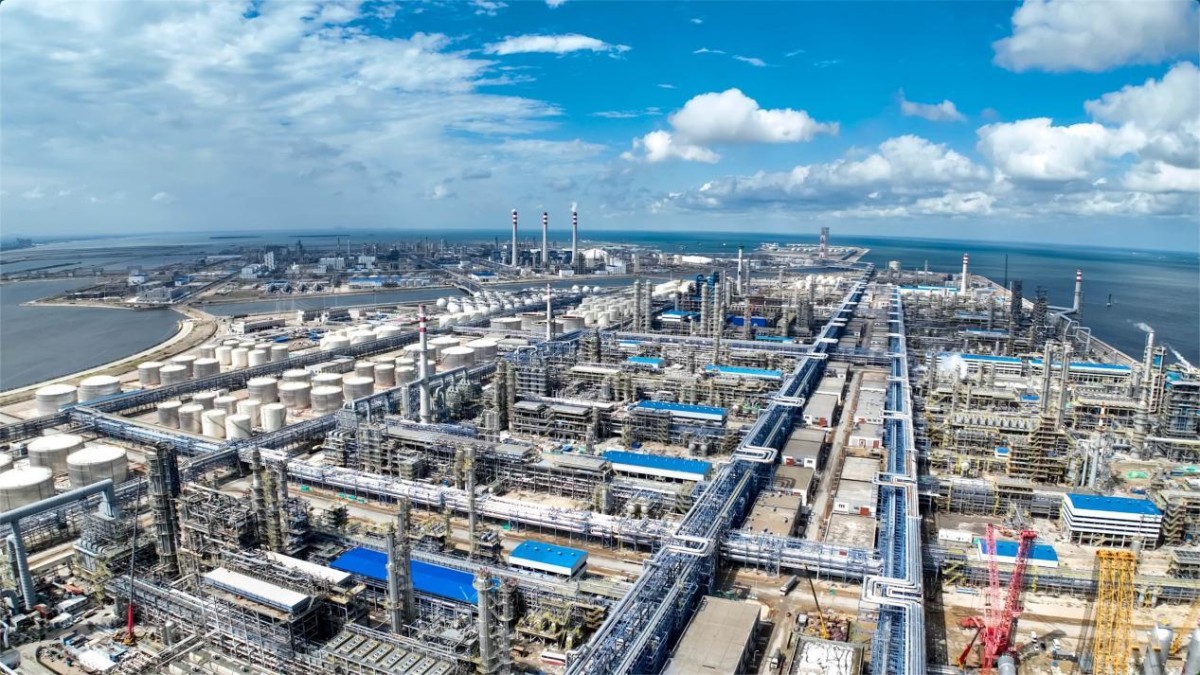
Chinese refiners and Saudi exports reroute around disrupted flows
Kpler data cited by Reuters showed China's Iranian crude imports at about 534,000 bpd so far in August, down from roughly 823,000 bpd in July. Independent refiners are looking for Russian, Iraqi, Brazilian and fuel-oil alternatives as discounted Iranian supply shrinks. Saudi Arabia is also adapting: tanker data compiled by Bloomberg showed crude exports through Egypt's Sidi Kerir route rising about 33%, with northern Red Sea flows around 1.1 million bpd, though the detour can add nearly a month for Asian deliveries.
Read the full story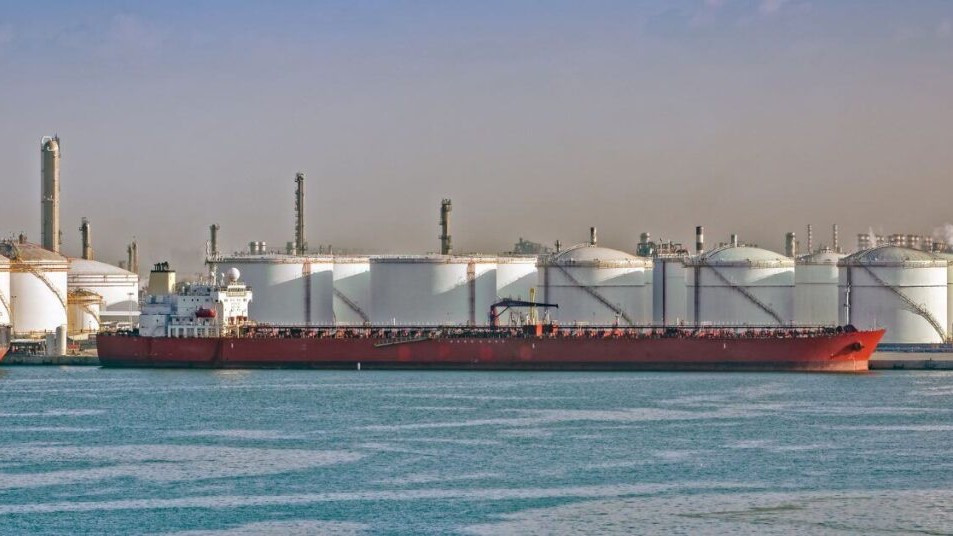
Production ambitions run into quotas and ports
Iraq says it wants to lift oil output to 8–10 million bpd within six years, up from roughly 4 million bpd before the latest regional disruption, but it first needs more room inside OPEC and more export capacity. Venezuela shows the opposite bottleneck: buyers are available, yet tankers can wait up to 30 days to load, and aging terminals, power outages and crude-quality problems appear to cap exports near 1.25 million bpd.
Read the full story
China targets peak oil demand without ending import dependence
China's 2026–2030 oil and gas plan aims to peak petroleum consumption during the period while expanding domestic output, storage and transport resilience. Targets include adding 20,000 km of long-distance oil and gas pipelines, lifting total network length toward 220,000 km and raising LNG receiving capacity to 200 million tonnes per year. But China still imports roughly three-quarters of apparent crude supply, so the strategy is risk reduction rather than withdrawal from global oil markets.
Read the full story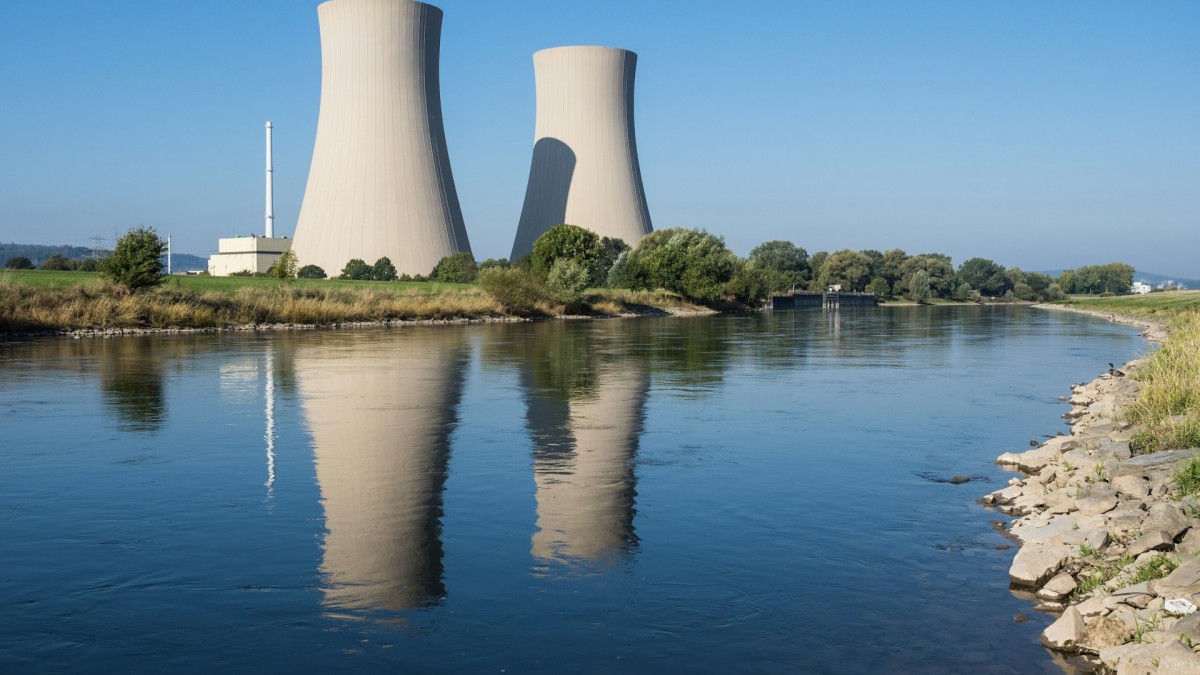
Power markets show stress from nuclear cooling and solar curtailment
Europe's heatwave and drought have forced nuclear output cuts as rivers become too low or too warm for cooling. Romania's Cernavoda and Hungary's Paks were among the affected plants, while Triodos Bank estimated the broader heatwave cost at $207.7 billion, or about 1% of EU GDP. In India, solar capacity is outrunning grid flexibility: officials said about 42 GW of projects still lack offtakers, and the grid wasted about 8 billion kWh of solar power in April–June, roughly 11% of output.
Read the full story Explore the world's news with MokiNewsExplore the world's news with MokiNewsExplore the world's news with MokiNewsExplore the world's news with MokiNewsExplore the world's news with MokiNewsExplore the world's news with MokiNewsExplore the world's news with MokiNewsExplore the world's news with MokiNewsExplore the world's news with MokiNewsExplore the world's news with MokiNewsExplore the world's news with MokiNewsExplore the world's news with MokiNewsExplore the world's news with MokiNewsExplore the world's news with MokiNewsExplore the world's news with MokiNewsExplore the world's news with MokiNewsExplore the world's news with MokiNewsExplore the world's news with MokiNewsExplore the world's news with MokiNewsExplore the world's news with MokiNewsExplore the world's news with MokiNewsExplore the world's news with MokiNewsExplore the world's news with MokiNewsExplore the world's news with MokiNewsExplore the world's news with MokiNewsExplore the world's news with MokiNewsExplore the world's news with MokiNewsExplore the world's news with MokiNewsExplore the world's news with MokiNewsExplore the world's news with MokiNews