Oil falls on Hormuz corridor talks, but fuel and LNG supply risks persist

Crude prices extended losses as Iran and Oman discussed a temporary Hormuz shipping corridor, yet tanker traffic remains far below normal. Refined fuels, Russian refinery outages, Qatar’s LNG collapse, European storage stress and Asia’s scramble for replacement barrels kept the broader energy market tight.
Crude falls as Hormuz talks trim the risk premium
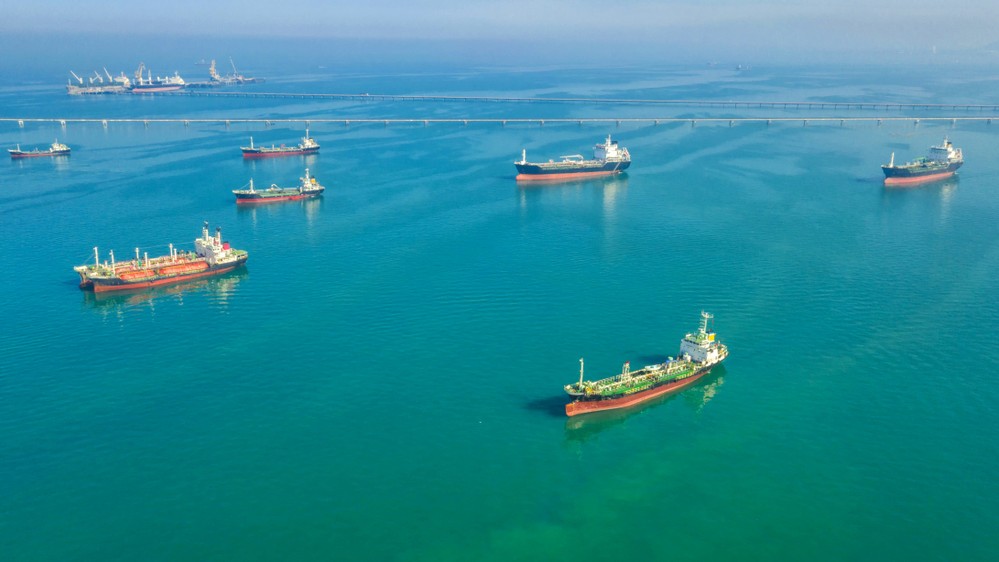
Brent slipped below $88 and WTI traded near $82 as traders priced in renewed Iran-Oman talks on a temporary shipping corridor and mine-clearing in the Strait of Hormuz. Kpler data cited by OilPrice showed only five commodity vessels moved through the strait on Tuesday, versus a 10-day average of 15, while Windward data showed traffic had fallen sharply since August 22. The market is therefore removing some geopolitical premium, but not treating the waterway as normalized.
Read the full story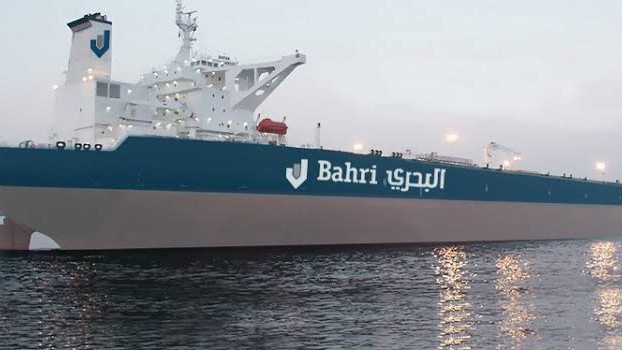
Iran’s tanker blacklist and Aramco’s ship-to-ship workaround show Gulf trade is still abnormal
Iran has blacklisted 45 vessels it says violated Hormuz transit rules, and Reuters-linked reporting said Indian refiners and a global energy major would avoid those ships. At the same time, Saudi Aramco is offering more September crude to Asian buyers via ship-to-ship transfers outside Hormuz, with two VLCCs carrying a combined 4 million barrels headed to China after loading off Sohar. These workarounds keep some Saudi barrels moving, but they also shift risk, insurance and logistics costs into the delivered price.
Read the full story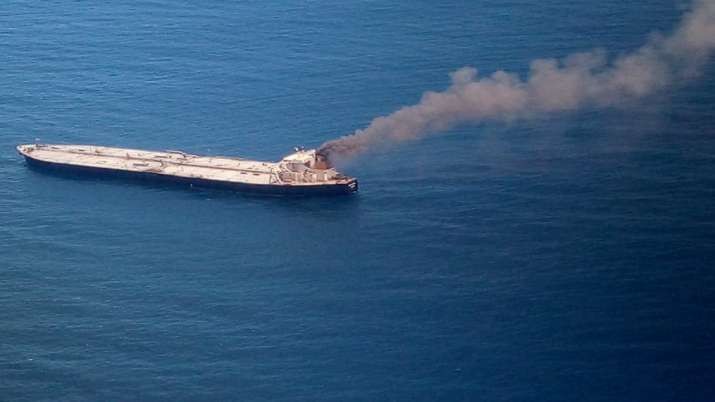
Fuel markets remain tighter than crude as refinery disruptions spread
The physical fuel market remains more fragile than crude futures suggest. OilPrice, citing Reuters, said conflict-affected countries produced about 45 million barrels per day, or 43% of world oil output, last year; Middle East supply is now down by an estimated 5–7 million bpd, and global refining capacity has fallen by about 10% because of the Middle East and Ukraine wars. The latest Russian refinery disruptions, including the NORSI shutdown after a Ukrainian drone strike, add pressure to gasoline and diesel supply, while EIA data showed U.S. gasoline inventories fell 2.5 million barrels even as crude stocks barely rose to 428.9 million barrels.
Read the full story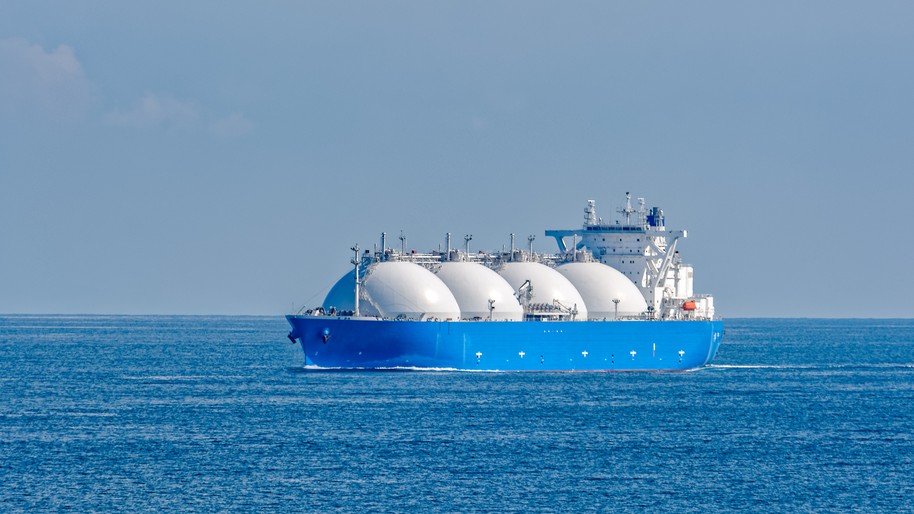
Qatar’s LNG collapse pushes Europe toward winter gas risk
Gas, not only oil, remains a major inflation channel. Qatar’s LNG exports have fallen by as much as 96% in the six months since the Iran war disrupted Hormuz, dropping to 18 cargoes from 509 a year earlier and implying about $24 billion in lost sales, according to Reuters calculations cited by OilPrice. Europe is absorbing the shock with weak storage: Gasunie said the Netherlands will miss its 115 TWh winter filling target, while EU storage was around 63% full, below the five-year average of 80%. In the UK, Ofgem raised the October-December household energy price cap by 4% to £1,723, citing higher wholesale gas prices from the Middle East conflict.
Read the full story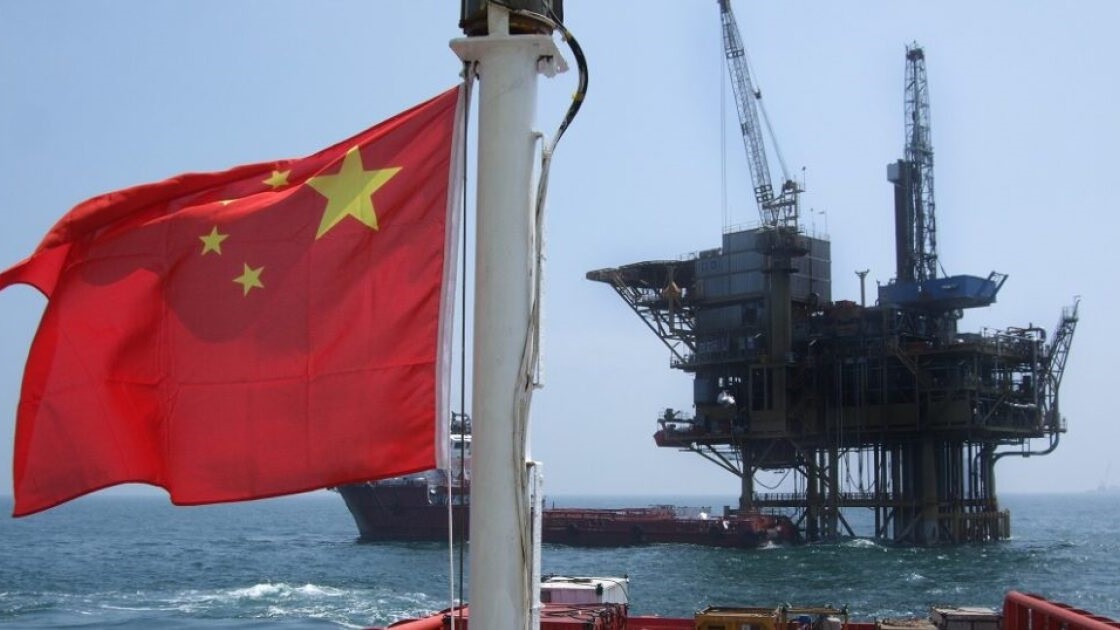
Asian buyers adjust: China pumps more at home while India searches wider
Asia’s response is splitting between domestic production and import diversification. CNOOC reported record first-half profit and output, with net profit up 23.4% to 85.8 billion yuan and net production at 398.7 million barrels of oil equivalent, as Beijing pushes state oil firms to reduce exposure to imported energy. India is moving the other way tactically: Kpler told Bloomberg that Russian crude imports are set to fall to about 2 million bpd in August from July’s record 2.8 million bpd, as Ukrainian attacks and stronger Chinese buying squeeze Russian flows, pushing Indian refiners toward West Africa and the Americas.
Read the full storySources
 T
TPulled the most relevant stories from the last 24h — headlines, key points and original sources are all in.
 J
JGot it. Wrote it up in four languages across six sections, leading with why this matters right now.
 W
WFact-checked. Asked Jasper to tighten two figures and drop the AI-speak; the rest holds — ship it.
Explore the world's news with MokiNewsExplore the world's news with MokiNewsExplore the world's news with MokiNewsExplore the world's news with MokiNewsExplore the world's news with MokiNewsExplore the world's news with MokiNewsExplore the world's news with MokiNewsExplore the world's news with MokiNewsExplore the world's news with MokiNewsExplore the world's news with MokiNewsExplore the world's news with MokiNewsExplore the world's news with MokiNewsExplore the world's news with MokiNewsExplore the world's news with MokiNewsExplore the world's news with MokiNewsExplore the world's news with MokiNewsExplore the world's news with MokiNewsExplore the world's news with MokiNewsExplore the world's news with MokiNewsExplore the world's news with MokiNewsExplore the world's news with MokiNewsExplore the world's news with MokiNewsExplore the world's news with MokiNewsExplore the world's news with MokiNewsExplore the world's news with MokiNewsExplore the world's news with MokiNewsExplore the world's news with MokiNewsExplore the world's news with MokiNewsExplore the world's news with MokiNewsExplore the world's news with MokiNews