Brain-delivery shuttle, depression neuron map and climate risks lead today’s science cycle

Today’s science news spans medicine, climate and space: Caltech reported a modular shuttle for moving biologics across the blood-brain barrier, Nature highlighted a high-resolution depression study, climate researchers warned that warming can fragment freshwater habitats, and NASA tied coastal erosion, Roman telescope preparations and lunar contamination into the week’s research priorities.

A small-molecule shuttle points to broader brain drug delivery
Caltech researchers reported BrainCAB, a modular system designed to carry antibodies, proteins, oligonucleotides and potentially RNA medicines across the blood-brain barrier. It adapts brinzolamide to bind carbonic anhydrase IV on brain blood vessels; in rodents and nonhuman primates it crossed the barrier and increased delivery of the antibody atezolizumab to the brain. The result remains preclinical but targets a major bottleneck in neurological therapy.
Read the full story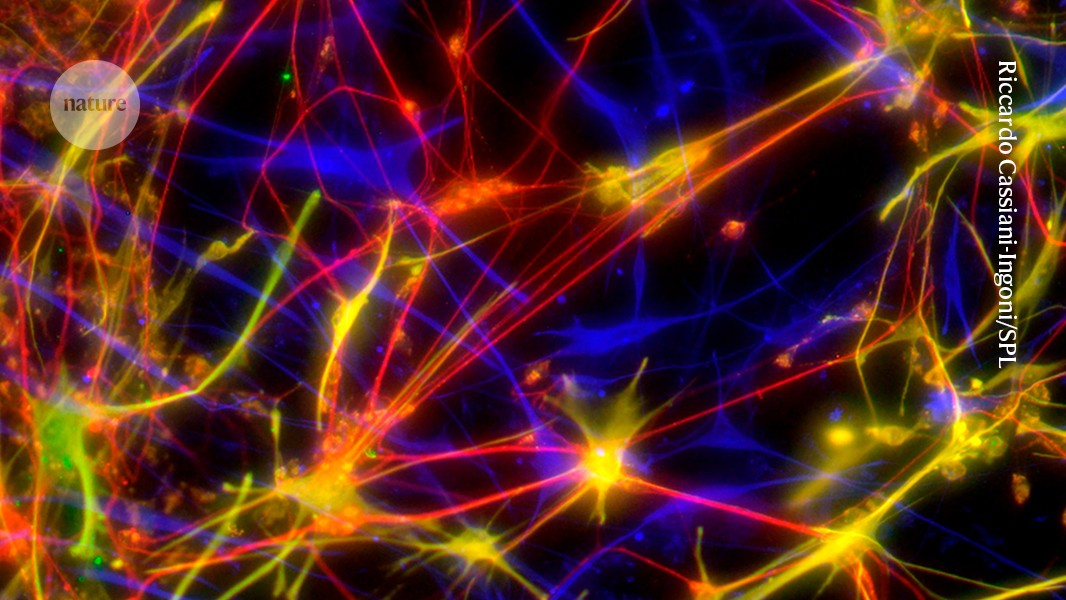
A depression study maps where adult neuron formation may stall
Nature reported a Nature Medicine study of nearly 500,000 hippocampal cells from 30 deceased donors, including 11 people with major depressive disorder. The depression group had more neural stem cells but fewer neuroblasts, suggesting that adult hippocampal neurogenesis may stall partway through the process. The study does not prove causation, but it gives researchers more precise molecular pathways to test.
Read the full story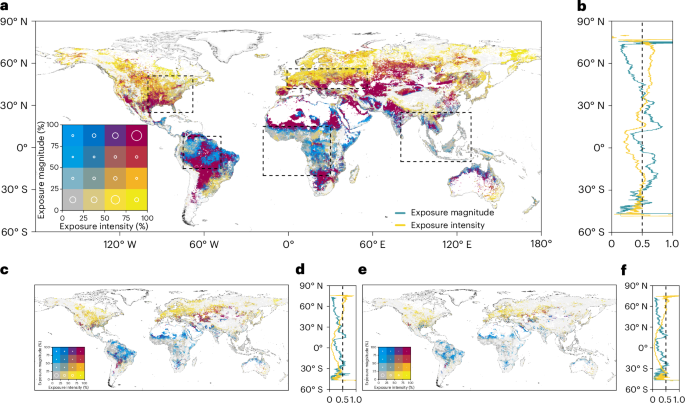
Freshwater fish face thermal barriers, not just warmer water
A Nature Climate Change study assessed 9,809 freshwater fish species using weekly water-temperature data from 1976 to 2099. It found that uneven warming can fragment river habitats into isolated thermal patches, limiting dispersal, feeding, reproduction and escape from heat stress. Under high emissions, around 63% of riverine fish are projected to experience more persistent thermal barriers by 2099.
Read the full story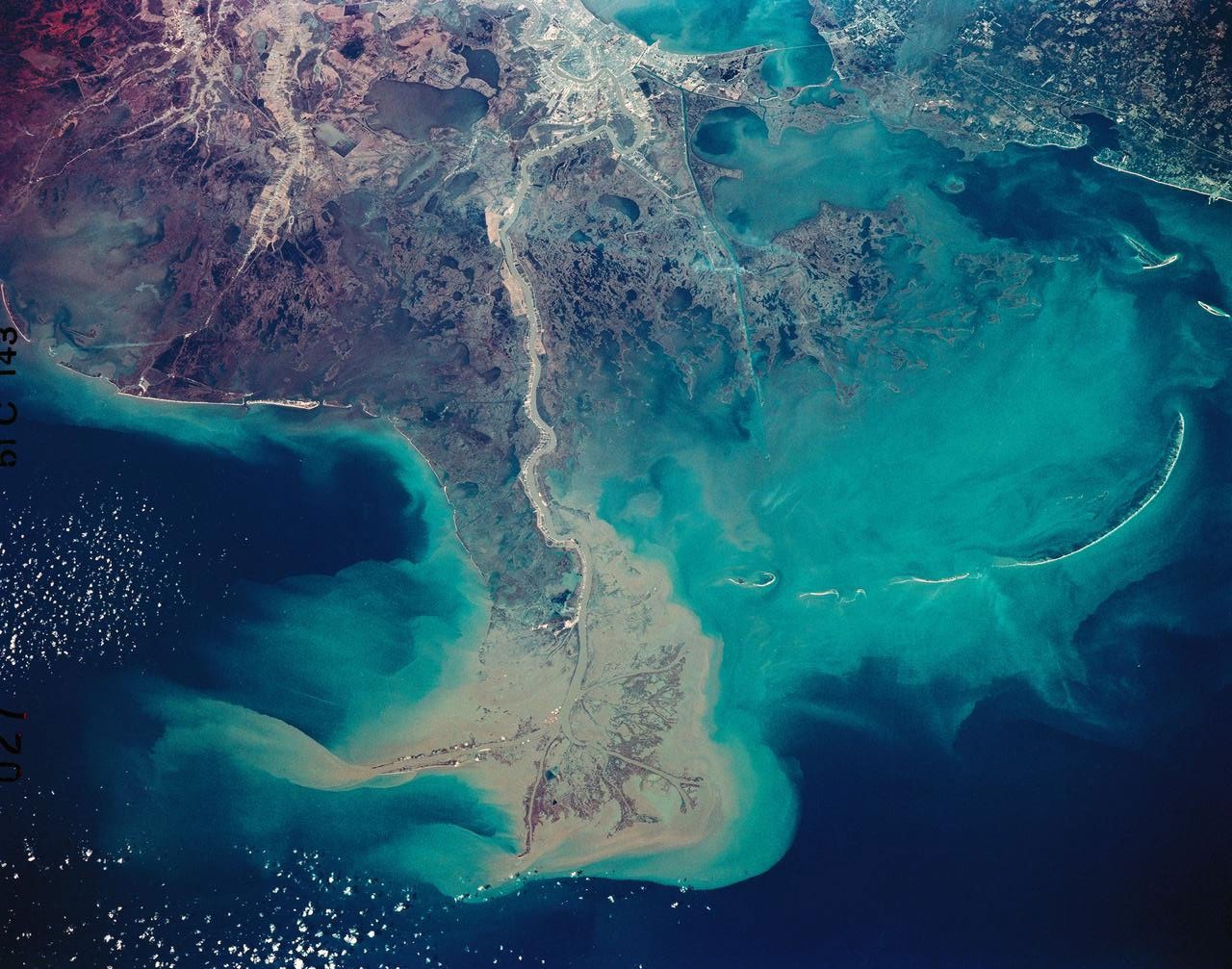
Coastal erosion is moving stored marsh carbon into the ocean
NASA-supported researchers used Landsat imagery and USGS lidar data from 1985 to 2022 to estimate marsh carbon losses from Texas to Maine. Coastal wetlands and marshes release more than 1.45 billion pounds, or about 660,000 metric tons, of carbon into the ocean each year through erosion; after new marsh growth, net annual loss is still about 800 million pounds, or 380,000 metric tons.
Read the full story
Roman telescope enters its final public countdown
NASA Ames scheduled August 26 expert interviews ahead of the Nancy Grace Roman Space Telescope’s planned August 30 launch from Kennedy Space Center on a SpaceX Falcon Heavy. Roman will survey wide areas of the universe in optical and near-infrared light to study dark energy, exoplanets and cosmic structure, with Ames contributing imaging software, wavefront control and supercomputing support.
Read the full story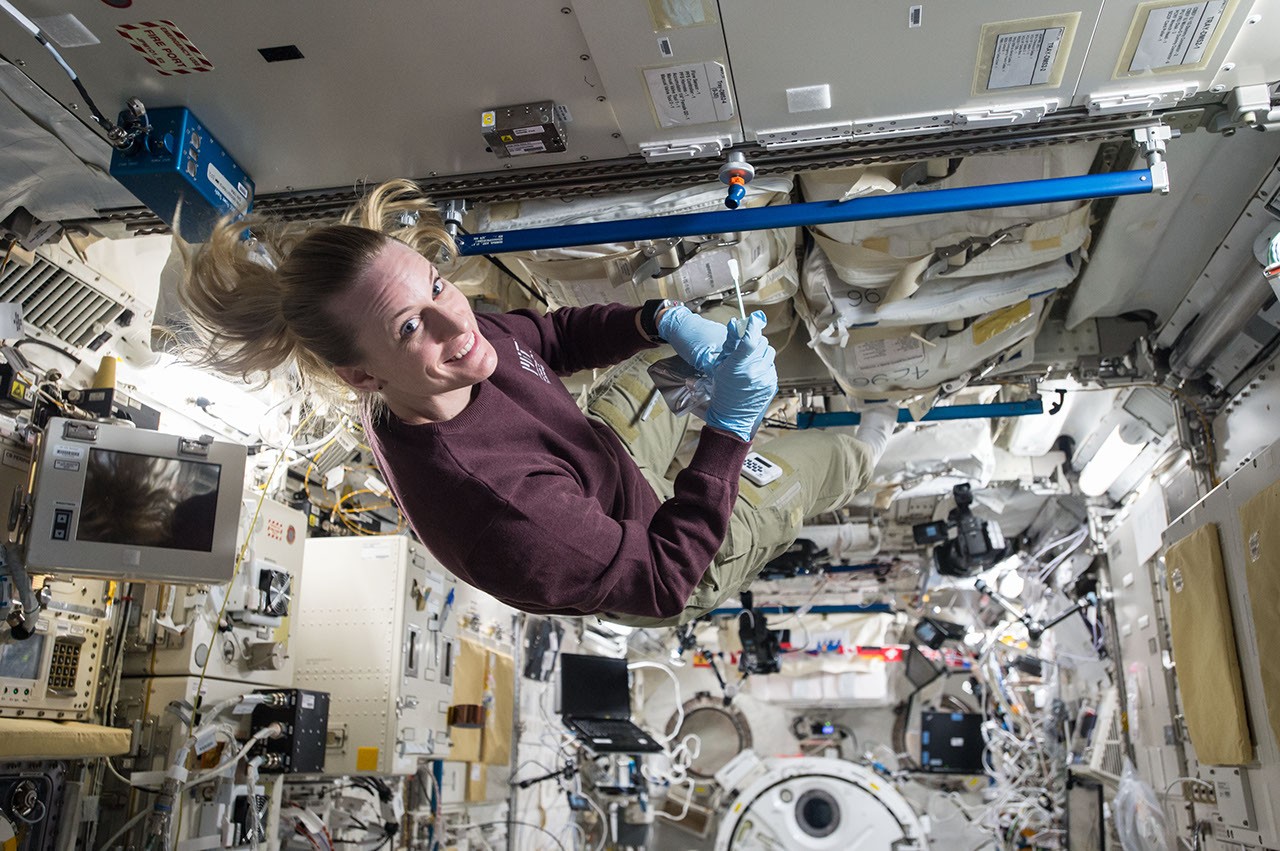
Moon-south-pole microbes make planetary protection urgent
NASA summarized a Science Advances study showing that some human-associated microbes could survive at least one Earth day in shaded niches near the Moon’s South Pole. The result is not evidence of lunar life or microbial growth; it warns that crewed exploration could complicate future searches for pristine lunar chemistry and, later, signs of life on Mars.
Read the full story T
TPulled the most relevant stories from the last 24h — headlines, key points and original sources are all in.
 J
JGot it. Wrote it up in four languages across six sections, leading with why this matters right now.
 W
WFact-checked. Asked Jasper to tighten two figures and drop the AI-speak; the rest holds — ship it.
Explore the world's news with MokiNewsExplore the world's news with MokiNewsExplore the world's news with MokiNewsExplore the world's news with MokiNewsExplore the world's news with MokiNewsExplore the world's news with MokiNewsExplore the world's news with MokiNewsExplore the world's news with MokiNewsExplore the world's news with MokiNewsExplore the world's news with MokiNewsExplore the world's news with MokiNewsExplore the world's news with MokiNewsExplore the world's news with MokiNewsExplore the world's news with MokiNewsExplore the world's news with MokiNewsExplore the world's news with MokiNewsExplore the world's news with MokiNewsExplore the world's news with MokiNewsExplore the world's news with MokiNewsExplore the world's news with MokiNewsExplore the world's news with MokiNewsExplore the world's news with MokiNewsExplore the world's news with MokiNewsExplore the world's news with MokiNewsExplore the world's news with MokiNewsExplore the world's news with MokiNewsExplore the world's news with MokiNewsExplore the world's news with MokiNewsExplore the world's news with MokiNewsExplore the world's news with MokiNews