Cancer vaccine progress, hourly heat risks and hidden lunar volcanoes lead the science agenda

Today’s science agenda is led by a late-stage personalized mRNA melanoma vaccine, new climate-risk metrics that expose overlooked hot hours, fresh evidence on Antarctic and Arctic frozen systems, and lunar spacecraft data revealing broad shield volcanoes on the Moon.
Personalized mRNA cancer vaccine moves closer to clinical use
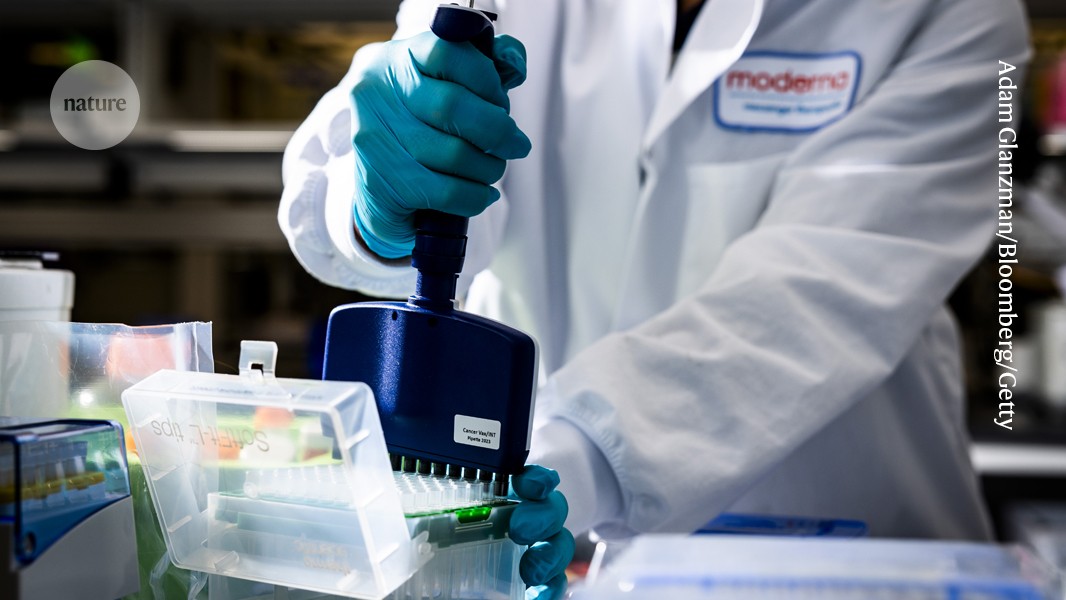
Moderna and Merck reported that intismeran, a personalized mRNA vaccine given with pembrolizumab after surgical removal of advanced melanoma, reduced recurrence risk in a phase III trial of about 1,100 people compared with pembrolizumab alone. The result is described as the first late-stage success for an mRNA-based cancer treatment, but detailed data are still due at a medical meeting, and patient-specific manufacturing can take months.
Read the full story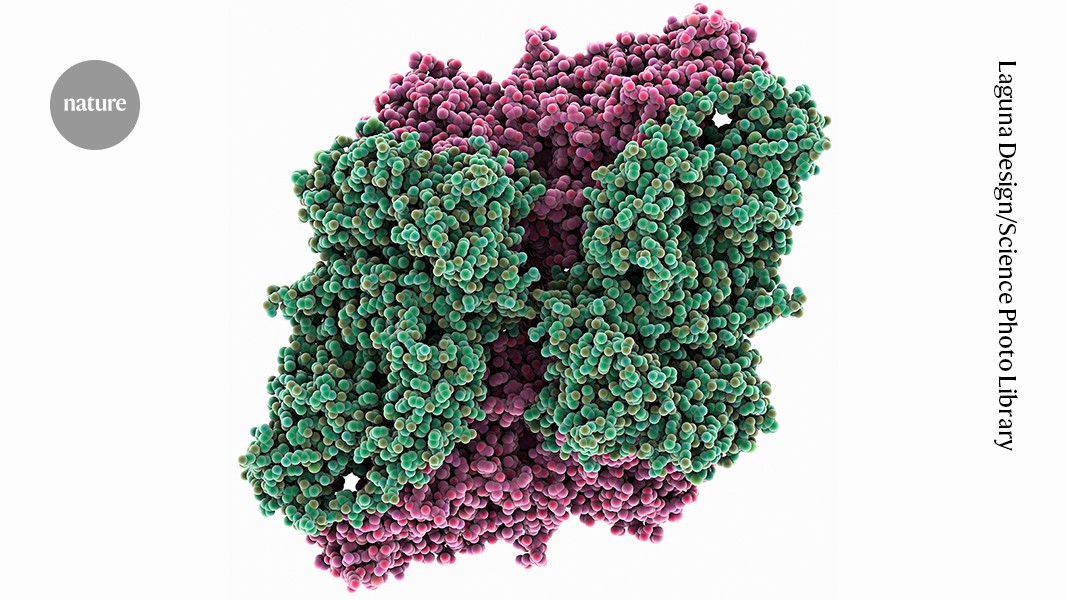
Wrong antibodies expose a reproducibility weak point in ageing research
Nature reported that more than 50 cell-ageing studies might have listed antibodies against bacterial beta-galactosidase while trying to measure mammalian beta-galactosidase, a marker used in senescence experiments. The case does not automatically invalidate every paper, but it shows why reagent validation matters: antibodies that bind the wrong protein can make imaging and western-blot evidence hard to interpret, and poor records can propagate through later studies and AI-assisted literature mining.
Read the full story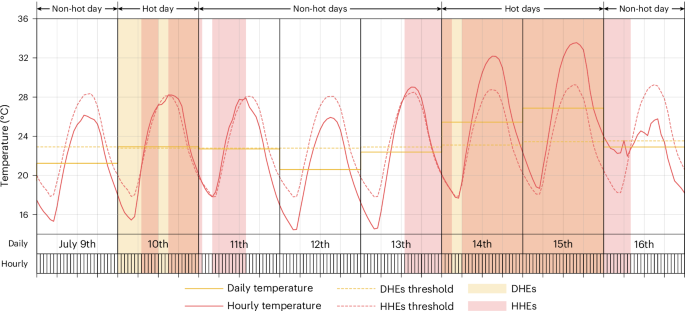
Hourly heat extremes reveal risks hidden by daily temperature metrics
A Nature Climate Change study argues that daily maximum temperatures miss dangerous short-duration heat. Under a high-emissions scenario, global hourly heat extremes are projected to rise fourfold by late century, while population exposure grows sixfold. Each already-hot day would gain about four extra hot hours, and even days not classified as hot by daily metrics would contain roughly three hot hours. Low- and middle-income countries account for more than three-quarters of exposure.
Read the full story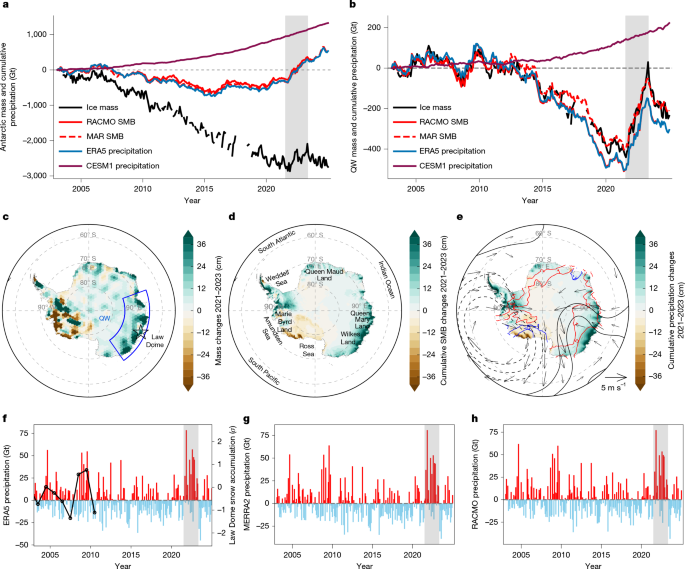
Antarctica’s recent mass gain is likely a temporary snowfall episode
Nature research links the 2021–2023 slowdown in Antarctic ice loss to unusual tropical warm-pool sea-surface warming that generated a Rossby-wave train and enhanced snowfall over Queen Mary Land and Wilkes Land in East Antarctica. The Queen Mary–Wilkes sector gained about 470.3 ± 29.1 gigatonnes, roughly 68% of the continent-wide increase during the event, offsetting continuing losses elsewhere. Similar multiyear tropical-warming episodes recur about once per decade, so the authors caution that this is not evidence of a lasting reversal in Antarctic ice loss.
Read the full story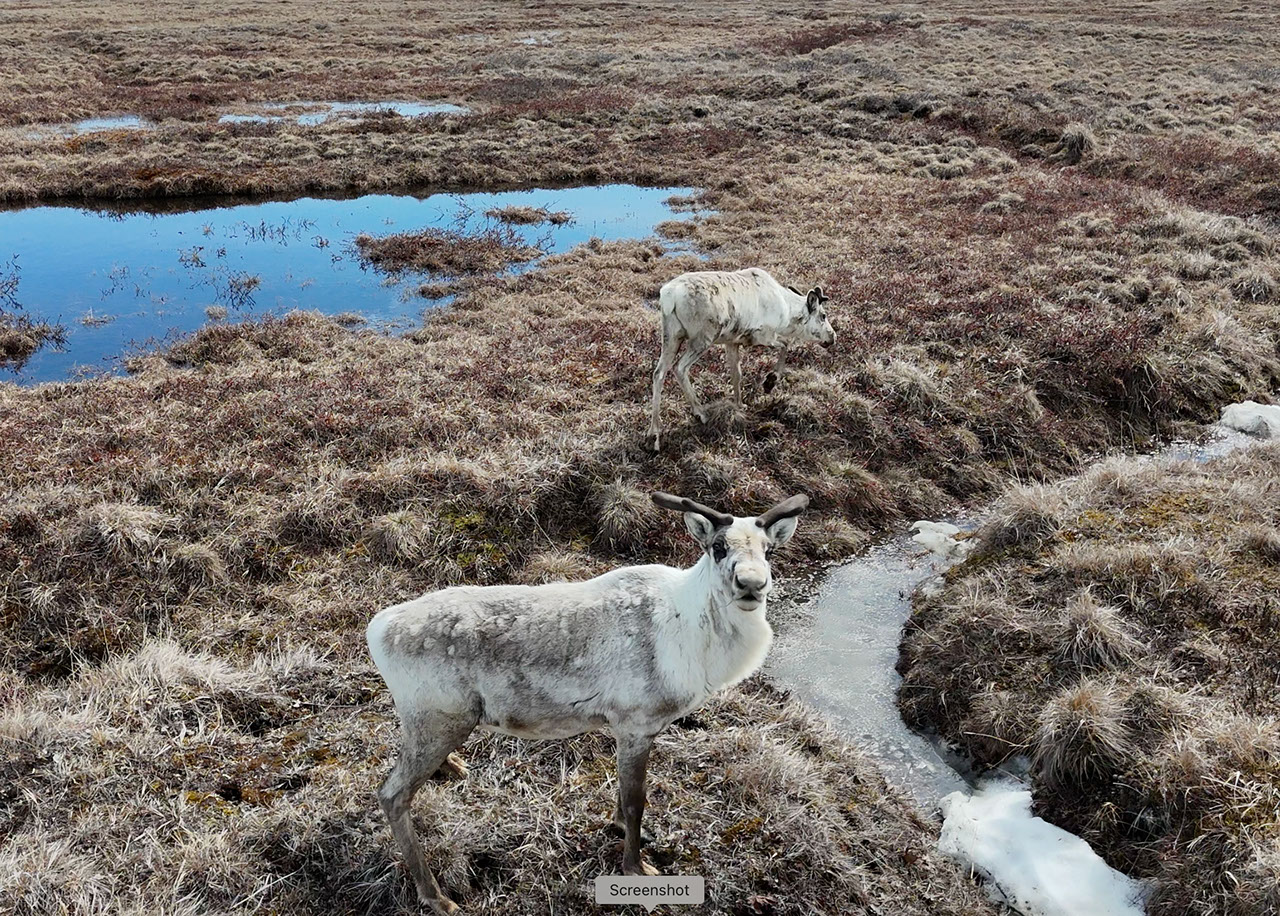
NASA maps the Arctic zero curtain and its carbon-climate stakes
A NASA-led study mapped the Arctic zero curtain, the period when soils linger near freezing before fully freezing or thawing. The near-freezing, wet conditions let microbes stay active longer and release carbon dioxide and methane. NASA notes that Arctic permafrost stores an estimated 1.9 trillion tons, or 1.7 trillion metric tons, of organic carbon—nearly twice the carbon now in the atmosphere. The GeoCryoAI framework combines satellite data, model output and field records dating back to 1891, and is designed to work with the NISAR radar mission.
Read the full story
Two broad lunar shield volcanoes point to a more dynamic volcanic past
Nature highlighted spacecraft evidence for two previously overlooked shield volcanoes on the Moon, including the Prinz-Harbinger and Theophilus features. Each is roughly 80 kilometres wide and gently sloping, making them hard to spot in regional topography. The interpretation combines Lunar Reconnaissance Orbiter topography and imagery with gravity data, suggesting ancient shallow magma reservoirs and a more complex history of magma transport inside the Moon.
Read the full story T
TPulled the most relevant stories from the last 24h — headlines, key points and original sources are all in.
 J
JGot it. Wrote it up in four languages across six sections, leading with why this matters right now.
 W
WFact-checked. Asked Jasper to tighten two figures and drop the AI-speak; the rest holds — ship it.
Explore the world's news with MokiNewsExplore the world's news with MokiNewsExplore the world's news with MokiNewsExplore the world's news with MokiNewsExplore the world's news with MokiNewsExplore the world's news with MokiNewsExplore the world's news with MokiNewsExplore the world's news with MokiNewsExplore the world's news with MokiNewsExplore the world's news with MokiNewsExplore the world's news with MokiNewsExplore the world's news with MokiNewsExplore the world's news with MokiNewsExplore the world's news with MokiNewsExplore the world's news with MokiNewsExplore the world's news with MokiNewsExplore the world's news with MokiNewsExplore the world's news with MokiNewsExplore the world's news with MokiNewsExplore the world's news with MokiNewsExplore the world's news with MokiNewsExplore the world's news with MokiNewsExplore the world's news with MokiNewsExplore the world's news with MokiNewsExplore the world's news with MokiNewsExplore the world's news with MokiNewsExplore the world's news with MokiNewsExplore the world's news with MokiNewsExplore the world's news with MokiNewsExplore the world's news with MokiNews