Oil falls for the week as Hormuz hopes collide with LNG and refinery shocks

Crude ended the week lower as traders priced in partial relief around Hormuz, but the physical market remains uneven: Gulf shipping is still hazardous, Qatar's LNG collapse is stressing Europe, Ukraine's refinery strikes are tightening Russian fuel, and Washington is seeking long-term Venezuelan barrels.
Oil retreats for the week, but Iran risk keeps a floor under prices
Brent was near $89.45 a barrel and WTI around $83.31 in early Friday trade, leaving both benchmarks on track for weekly losses after two weeks of gains. The pullback reflects hopes that diplomacy could slowly ease the Strait of Hormuz disruption, while Thursday's rebound showed how quickly the risk premium returns when Washington says no U.S.-Iran talks are under way and the conflict remains unresolved.
Read the full story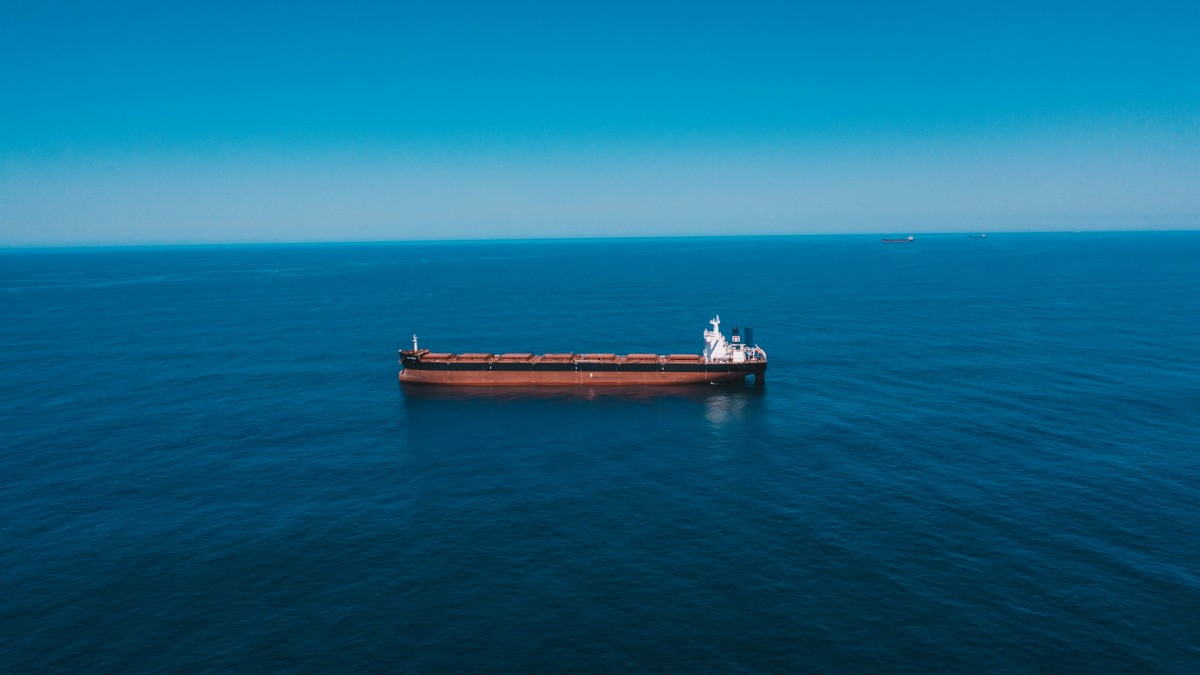
Hormuz traffic improves only at the margin
Kpler data cited by OilPrice showed 10 commodity vessels crossing Hormuz on Wednesday, up from eight on Tuesday but still below the 10-day average of about 15. Qatar and Kuwait have reportedly restored crude exports to about 70% of pre-war levels through shuttle and ship-to-ship transfers, yet another tanker strike and weak Asian import data suggest the corridor is still abnormal rather than safely reopened.
Read the full story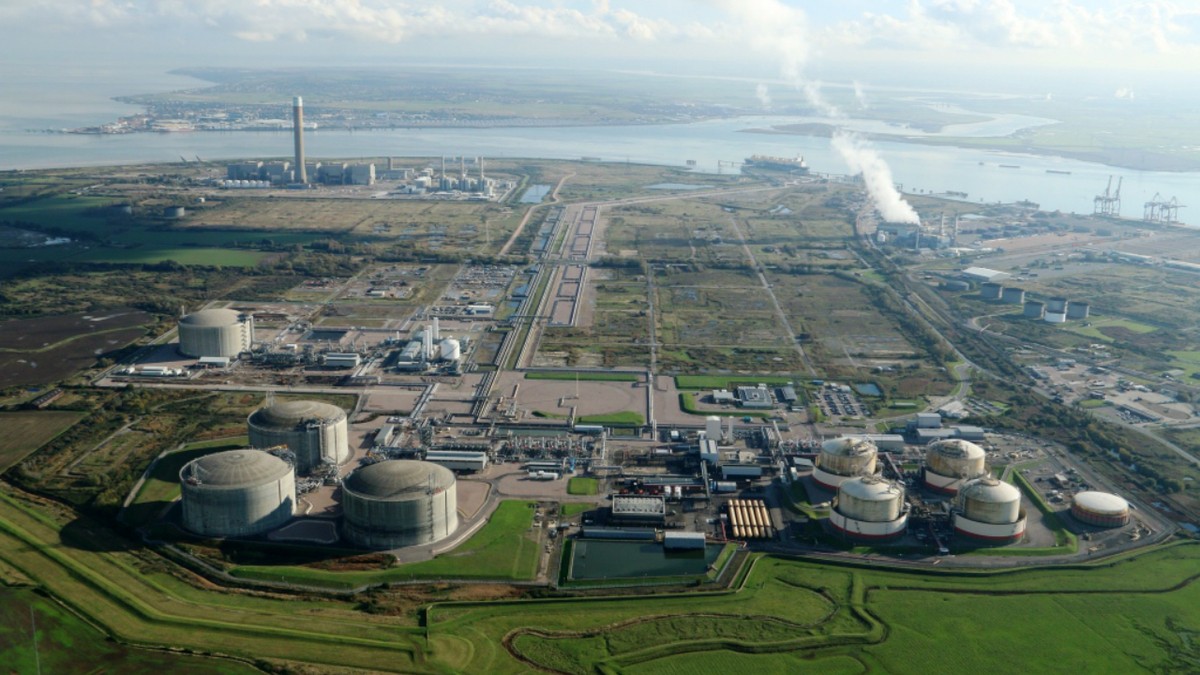
Gas markets diverge as Europe loses LNG while U.S. feedgas rebounds
Qatar's LNG exports have reportedly dropped by 96%, from 509 cargoes a year earlier to just 18, costing about $24 billion in sales and leaving Europe to compete with Asia for replacement supply. European storage is only around 63% full, its weakest late-August level in nearly two decades, while U.S. LNG feedgas demand rebounded to 18.5 Bcf/d and EIA storage still stood 167 Bcf above the five-year average.
Read the full story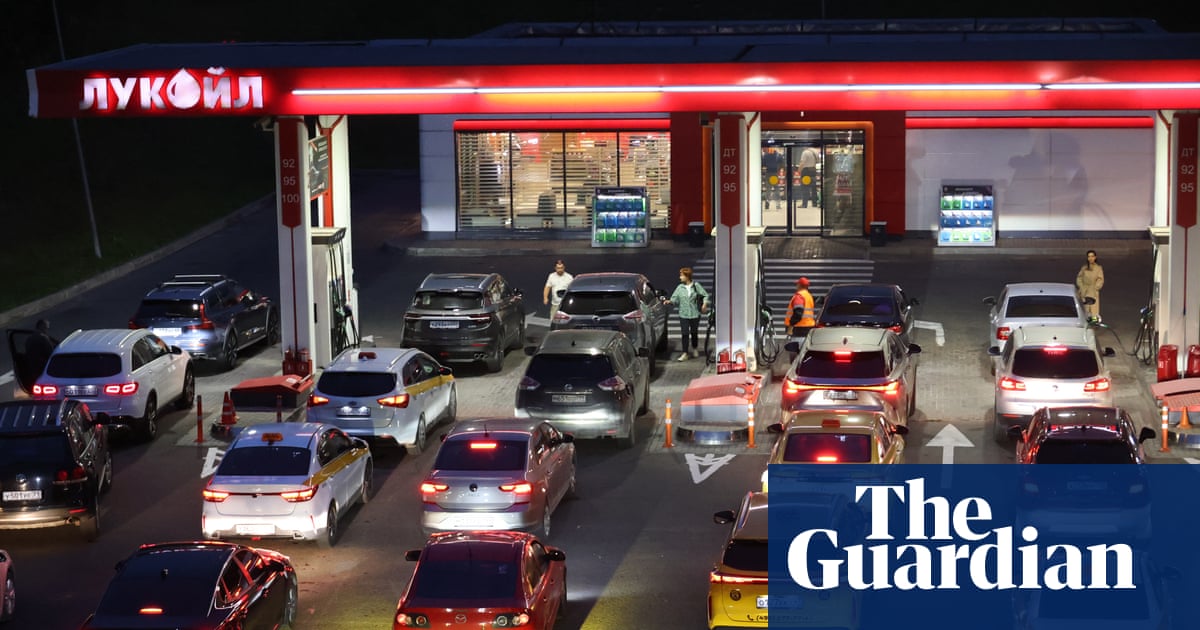
Ukraine's refinery campaign turns Russia into a fuel buyer
Reuters listed a new wave of Ukrainian strikes that forced Russia's NORSI refinery, its fourth-largest refinery and second-largest gasoline producer, to suspend crude processing on August 26; Novoshakhtinsk and Afipsky were also hit this week. The Guardian reported Russia has begun importing gasoline from Turkey, India-linked cargoes via Egypt, Belarus and a Kazakhstan processing arrangement.
Read the full story
Washington looks to Venezuela as OPEC+ adds only limited barrels
Reuters reported that U.S. officials are working on a deal that could reserve a group of Venezuelan oilfields for U.S. companies, with supply guaranteed for the United States, as Venezuela produces about 1.25 million barrels per day and the U.S. Strategic Petroleum Reserve holds roughly 290 million barrels. The possible move contrasts with OPEC+'s modest September adjustment of 188,000 barrels per day.
Read the full storySources
 T
TPulled the most relevant stories from the last 24h — headlines, key points and original sources are all in.
 J
JGot it. Wrote it up in four languages across six sections, leading with why this matters right now.
 W
WFact-checked. Asked Jasper to tighten two figures and drop the AI-speak; the rest holds — ship it.
Explore the world's news with MokiNewsExplore the world's news with MokiNewsExplore the world's news with MokiNewsExplore the world's news with MokiNewsExplore the world's news with MokiNewsExplore the world's news with MokiNewsExplore the world's news with MokiNewsExplore the world's news with MokiNewsExplore the world's news with MokiNewsExplore the world's news with MokiNewsExplore the world's news with MokiNewsExplore the world's news with MokiNewsExplore the world's news with MokiNewsExplore the world's news with MokiNewsExplore the world's news with MokiNewsExplore the world's news with MokiNewsExplore the world's news with MokiNewsExplore the world's news with MokiNewsExplore the world's news with MokiNewsExplore the world's news with MokiNewsExplore the world's news with MokiNewsExplore the world's news with MokiNewsExplore the world's news with MokiNewsExplore the world's news with MokiNewsExplore the world's news with MokiNewsExplore the world's news with MokiNewsExplore the world's news with MokiNewsExplore the world's news with MokiNewsExplore the world's news with MokiNewsExplore the world's news with MokiNews