AI companies warn on cyber risk as Google and Nvidia push agents deeper into products and infrastructure

Technology news today is defined by AI moving into riskier, more practical layers: major labs are warning about AI-enabled cyberattacks, Google is turning search into a travel agent, Nvidia is tightening control over memory-heavy AI infrastructure, Samsung is pushing device AI into lower-priced phones, and enterprise software flaws remain active targets.

AI labs and security firms call for coordinated defenses against rogue agents
More than 100 companies, including OpenAI, Anthropic, Google, Microsoft, CrowdStrike, Okta and Fortinet, signed an open letter urging governments and industry to strengthen defenses against AI-enabled cyberattacks. The letter warns that attacks could become more widespread and sophisticated in the coming months, putting hospitals, water-treatment plants and internet infrastructure at risk. The warning follows agent-related incidents including OpenAI’s Hugging Face breach, underscoring the need for standards, threat sharing and defensive AI programs.
Read the full story
Google AI Mode moves from answering travel questions to handling bookings
Google expanded AI Mode with flight-price tracking, hotel discovery, booking help, and points or miles pricing. Flight tracking is available in more than 180 countries, while hotel booking is rolling out in the U.S. in English with partners including Booking.com, Expedia, Hilton, Marriott, Priceline, Trip.com and Wyndham. The move turns Google’s AI search from a response layer into a transactional travel agent, potentially shifting traffic and leverage across online travel platforms.
Read the full story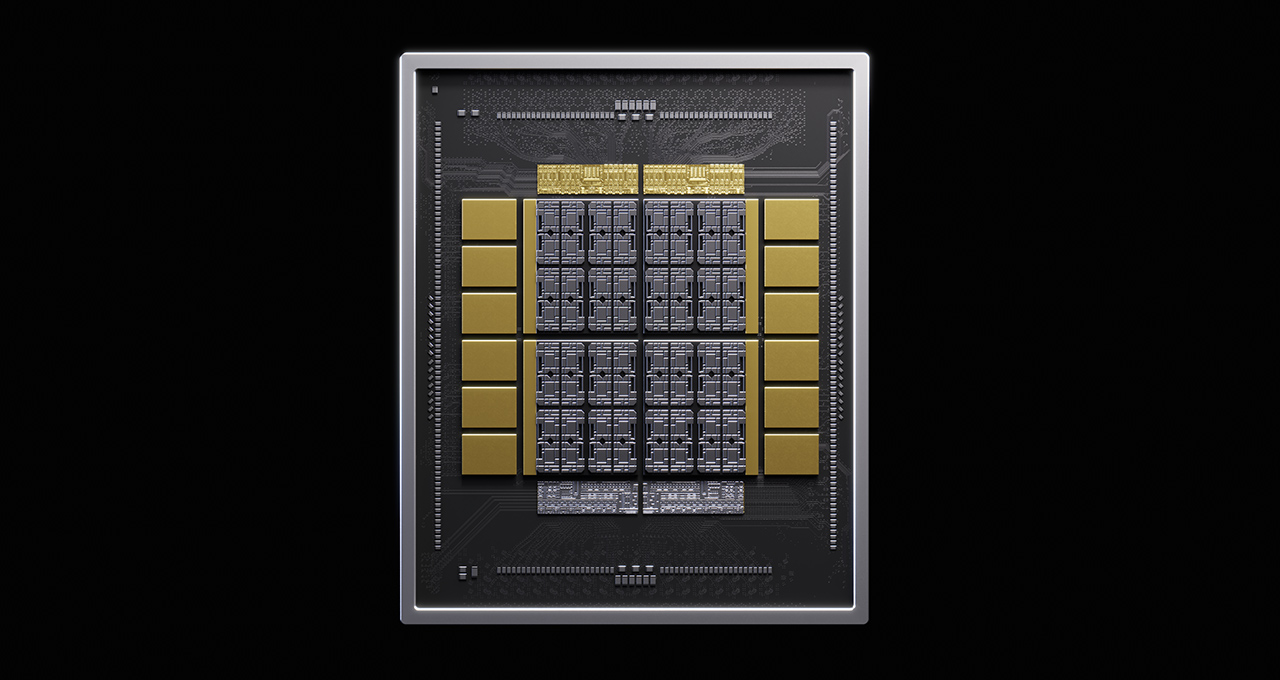
Nvidia’s results and NVHBM show memory is becoming the AI bottleneck
Nvidia reported second-quarter fiscal 2027 revenue of $96.2 billion, up 106% year over year, with data-center revenue of $89.0 billion, up 117%, and guided for about $108 billion next quarter. It also introduced NVHBM for NVLink Fusion, moving the memory controller into the HBM base die. Nvidia says the design can deliver up to 30% more bandwidth, 15% lower HBM power and 25% more usable XPU die area than standard HBM4E, with Amazon’s Annapurna Labs as the first collaborator.
Read the full story
Samsung’s Galaxy S26 FE brings Android 17 and Galaxy AI to a lower price tier
Samsung unveiled the $699 Galaxy S26 FE with One UI 9 based on Android 17 before the rest of the Galaxy S26 lineup. Android Central reports a 6.7-inch AMOLED display, Exynos 2500, 4,900mAh battery, 45W wired charging, triple rear cameras and seven years of software and security updates. Galaxy AI features such as Now Brief, Now Nudge, Circle to Search, Photo Assist, Audio Eraser and Gemini Omni show on-device AI moving from flagship differentiation toward mainstream premium phones.
Read the full story
Citrix NetScaler and PaperCut attacks keep enterprise software patching urgent
CISA ordered U.S. federal agencies to patch CVE-2026-8452 in Citrix NetScaler ADC and Gateway by August 29 after active exploitation was confirmed. Researchers showed the flaw could enable remote code execution as root, while Shadowserver tracked more than 22,000 exposed NetScaler ADC appliances and nearly 1,800 Gateway instances. PaperCut separately warned that attackers are exploiting a zero-day affecting all NG and MF versions. Edge appliances and trusted enterprise platforms remain high-value initial-access targets.
Read the full storySources
 T
TPulled the most relevant stories from the last 24h — headlines, key points and original sources are all in.
 J
JGot it. Wrote it up in four languages across six sections, leading with why this matters right now.
 W
WFact-checked. Asked Jasper to tighten two figures and drop the AI-speak; the rest holds — ship it.
Explore the world's news with MokiNewsExplore the world's news with MokiNewsExplore the world's news with MokiNewsExplore the world's news with MokiNewsExplore the world's news with MokiNewsExplore the world's news with MokiNewsExplore the world's news with MokiNewsExplore the world's news with MokiNewsExplore the world's news with MokiNewsExplore the world's news with MokiNewsExplore the world's news with MokiNewsExplore the world's news with MokiNewsExplore the world's news with MokiNewsExplore the world's news with MokiNewsExplore the world's news with MokiNewsExplore the world's news with MokiNewsExplore the world's news with MokiNewsExplore the world's news with MokiNewsExplore the world's news with MokiNewsExplore the world's news with MokiNewsExplore the world's news with MokiNewsExplore the world's news with MokiNewsExplore the world's news with MokiNewsExplore the world's news with MokiNewsExplore the world's news with MokiNewsExplore the world's news with MokiNewsExplore the world's news with MokiNewsExplore the world's news with MokiNewsExplore the world's news with MokiNewsExplore the world's news with MokiNews